Sunday, September 24, 2006
excelling at chess
i just finished Jacob Aagaard's excellent book Excelling at Chess this evening. i've been putting a ton of time in working on chess and hopefully it will pay off this weekend in London

"Pretend It's For Fun"
All summer Bev Turner ran an unrated active "Grand Prix" with kids and adults. This was the last (I played in the first one as well). Before the tournament, a little girl started crying and said she just wanted to play for fun, not a tournament and my opponent said to her "Just pretend it's for fun". It made me chuckle.
KP - C
September Grand Prix Owen Sound, ON (1), 23.09.2006
B12 - Caro-Kann : Advanced Variation
1.e4 c6 2.d4 d5 3.e5 Bf5 4.c3 e6 5.Bd3 Bxd3 6.Qxd3 Ne7 7.Nf3 Nd7 8.Nbd2 c5 9.0-0 Nc6 10.Re1 Be7 11.Rb1 0-0 12.b4? cxd4 13.b5 Na5 14.cxd4 Rc8 15.Nb3 Nc4 16.Nfd2 Ndb6 17.Nxc4 dxc4 18.Qe4 cxb3 19.Rxb3 Nd5 [There's not much to be said about this game. I wanted to put the knight on d5 (best square on the board) but maybe I should've played 19...Qd5 if 20.Qxd5 (and if 20.Qg4 Rfd8 21.Bh6 g6 i'm just a piece up and maybe even more) 20...Nxd5 and I have the same positiona s the game except no queens] 20.Rh3 g6 21.Bh6 Re8 22.Rh5 Bf8 [22...gxh5 Of course! I missed that he couldn't check me on the g-file. The silliest things you miss. I need to focus] 23.Qf3 gxh5 24.Qg3+ Kh8 25.h4 Bxh6 0-1
C - K
September Grand Prix Owen Sound, ON (2), 23.09.2006
D80 - Grünfeld : Stockholm Variation
I always hate playing K in tournaments. Luckily that was an unrated so we could "really" play (normally we just play like a Slav Exchange or a Zaitsev Ruy Lopez or a Larsen Alekhine and get a repetition of moves or a lifeless draw). This was not the greatest game by me, but I did win due to a huge blunder. K mentioned just before the game that he wanted this to be our next game of the match. 1.d4 d5 2.c4 Nf6 3.Nc3?! [I can try and punish him for the funny move order with 3.cxd5 Nxd5 4.Nf3 -- 5.e4 etc., but I was curious to see what he had in mind.] 3...g6 I was kinda surprised because he mentioned playing the King's Indian before. 4.Bg5 Ne4 5.Bh4 Bg7 6.e3 [I couldn't have grabbed the pawn here as the king is still guarding the e-pawn 6.cxd5 Nxc3 7.bxc3 Qxd5 8.Nf3;
and 6.Nxd5 g5 is fine for Black] 6...c6 7.cxd5?! [A more natural plan would have been something like 7.Nge2 then f3 so i could kick the knight and (eventually) move my bishop off the d8-h4 diagonal as he has done his job there] 7...Qa5 8.Qc2 [Again 8.Nge2 was better] 8...Nxc3 9.bxc3 [9.Qxc3 was better, as if he avoids the queen trade 9...Qxd5 10.Nf3 Bg4 11.Bc4 and I get a tempo on his queen as well as I can develop 11...Qd6 (11...Qd7 12.Ne5!) 12.Qb3! of course all this is easier to see at home. Again I need to try and work harder over the board] 9...cxd5 10.Nf3 Bf5! I'm in a tough position here. I wanted to recapture on c4 with the bishop but I never was able to play c4 11.Bd3 [11.Qd2 was stronger allowing me to play c4 and if 11...-- 12.c4 Qxd2+ 13.Nxd2 allowing me to play f3 again. Going over this game has really opened my eyes to what I've been doing wrong in this line (v. blitz games and others where I don't analyze)] 11...Bxd3 12.Qxd3 Nd7 13.0-0 e5! I found this move to be strong...maybe at a higher level this would be weak, but I missed this altogether. Now, possibly, my bishop is the weakest piece on the board once he castles and he threatens e4. Also, a capture with the pawn would isolate my c-pawn, which will drop once the bishop gets involved. This is my reasoning for 14.e4 [Fritz likes 14.dxe5 Nxe5 15.Nxe5 Bxe5 16.Rad1! of course! I missed that the d-pawn would be hanging and the "useless" (to paraphrase myself) bishop is guarding d8 so it's just a trade. I need to look deeper. 16...Bxc3 17.Qxd5 Qxd5 18.Rxd5] 14...0-0 15.Be7? I want him to make the first move in the center, but this "idea" by me is just horrible. My reasoning is that I want to get the bishop to a better diagonal, so my idea was to play Be7 then Bb4 "tempoing" his rook and queen. The main point was to tempo the queen as I didn't like defending that c-pawn. The problem with my idea is that it moves my bishop to a weaker square (what happens when he plays ...a5) *and* moves his rook and queen to more aggressive positions. Again, it was an active game, but I should have had enough time to figure that out [15.Nd2 dxe4 (15...f5 16.exd5 e4 17.Qe3) 16.Nxe4 with the idea of f3] 15...Rfe8 16.Bb4? Just brutal 16...dxe4! 17.Qxe4 Qc7 18.Nxe5 [What do I play here? 18.Rac1 maybe 18...a5 19.Ba3 exd4 (19...Nf6 20.Qc2) 20.cxd4 Qxc1 (20...Qxh2+ 21.Kxh2 Rxe4) 21.Qxe8+ Rxe8 22.Rxc1] 18...f6?? [18...Nxe5 19.dxe5 Bxe5 20.Qf3 and I lose something (h-pawn or c-pawn);
18...a5 19.Ba3 and the same sort of thing] 19.Qd5+ [and he resigns not allowing the smothered mate. 19.Qd5+ Kh8 20.Nf7+ Kg8 21.Nh6+ Kh8 22.Qg8+ Rxg8 23.Nf7# Not a strong game by me, I mixed it up where I shouldn't necessarily have and got a horrid position. But I learned a lot about playing the 4.Bg5 line in the Grünfeld so it was worth it.] 1-0
SP - C
September Grand Prix Owen Sound, ON (3), 23.09.2006
B18 - Caro-Kann : Classical Variation
1.e4 c6 2.Nc3 d5 3.d4 dxe4 4.Nxe4 Bf5 5.Ng3 Bg6 6.Nf3 Nd7 7.Nh4 Ngf6 8.Nxg6 hxg6 9.Be3 e6 10.Bg5 Qb6 11.Bc1 Bd6 12.b3 Bxg3 [12...Bb4+ 13.Bd2 Qxd4] 13.fxg3 Ne4 14.Qd3 Qb4+ The reason why I did this was that I wanted to aim for some endgames this tournament... 15.Bd2 Nxd2 16.Qxd2 Qxd2+ 17.Kxd2 Nf6 18.Bd3 0-0-0 19.c3 Ng4 20.h3 Nf2 21.Rhf1 Nxd3 22.Kxd3 f6 23.Rae1 e5 24.Ke4 exd4 25.cxd4 Rhe8+ 26.Kd3 Rxe1 27.Rxe1 c5 28.Re4 f5 29.Re7 Rxd4+ 30.Kc3 Rd7 31.Re6 Kc7 32.Rxg6 b6 33.Rg5 Rf7 34.h4 Kd6 35.h5 Ke5 36.g4 Kf4?? [36...Ke6 37.gxf5+ (37.Rg6+ Ke5 38.g5) 37...Kf6 38.Rg6+ Kxf5] 37.Rg6? [37.Rxf5+! Rxf5 38.gxf5 Kxf5 39.Kc4 1-0] 37...fxg4 38.h6 gxh6 39.Rxh6 Rg7 40.Rf6+ Kg3 41.Kc4 Kxg2 42.Kb5 g3 43.Rh6 Kg1 44.Rf6 g2 45.Ka6 Rh7 46.a4 Kh1 47.b4 cxb4 What can I take from this game? I won but he absolutely blundered after I blundered. 0-1
JL - C
September Grand Prix Owen Sound, ON (4), 23.09.2006
B10 - Caro-Kann : Hillbilly Variation
This was the other guy who was 3/3 at the tournament 1.e4 c6 2.Bc4 Hillbilly Variation 2...d5 3.exd5 cxd5 4.Bb3 Nf6 5.d3 h6?! Not helping my development, but I wanted to end up protecting my d-pawn with ...e6, so i was hoping for something like [5...h6 6.Nf3 Bg4 7.-- e6;
Realistically I should've punished him for not playing d4 and just responded with 5...e5 ] 6.h3 Bf5 7.Qf3 Bg6 [Maybe 7...e6 instead?] 8.Bf4 e6 9.Ne2 Nc6 10.Nd2 Bd6 11.d4 Bxf4 12.Qxf4 0-0 13.c3 Rc8 Slowly improving my pieces. 14.g4 Ne4 15.Nxe4 Bxe4 16.f3 Qh4+ 17.Kd2 Bg6 18.Qg3 Why trade? Look at his position? 18...Qe7 19.h4 e5 20.Rae1 Na5 [I totally "forgot" that the d-pawn was hanging. I should've just carried on with 20...Rfd8 After 20. ...Na5 I figured I would trade off the bishop or he'd have to play Be1 and his king is stuck in the middle of the board.] 21.Bxd5 Rcd8 22.Qxe5?? Qxe5?? [22...Nc4+! won on the spot. ] 23.dxe5 Rxd5+ 24.Nd4 Nc4+ 25.Kc1 Nxe5 26.h5 Nd3+ 27.Kd2 Nxe1 28.Rxe1 Bh7 29.Re7 Rb8 30.f4 Kf8 31.Rc7 Bb1 32.a3 a6 33.Kc1 Ba2? Again like I said in all the other games, I won but I didn't particularly play well 34.b3 Rxd4 35.cxd4 Bxb3 36.Rd7 Be6 37.Rd6 Bxg4 38.Rd5 Ke7 39.Kd2 Rd8 40.Re5+ Kf6 41.Ke3 Rd6 42.d5 b5 43.Kd4 Bf3 44.Kc5 Rd8 [44...Rxd5+ 45.Rxd5 Bxd5 46.Kxd5 Kf5 47.Kc6 Kxf4 48.Kb6 Kg5 49.Kxa6 f5 50.Kxb5 and I win the race] 45.d6 g6 46.hxg6 fxg6 47.Re7 h5 48.Ra7 Be2 49.Rxa6 h4 50.d7+ Kf5 51.Kd6 h3 52.Ke7 Rxd7+ 53.Kxd7 h2 and Black eventually won. 0-1
C - BT
September Grand Prix Owen Sound, ON (5), 23.09.2006
E33 - Nimzo-Indian : Classical
1.d4 [Kirk had White against him earlier in the tournament and played 1.e4 d6 2.c4 Nf6 3.Nc3 g6 4.d4 against him, so I was hoping for a King's Indian] 1...d5 2.c4 e6 3.Nc3 Bb4 4.Qc2 [I realize that 4.Nf3 is the "mainline" but Qc2 is what I play v. Nimzo so I wanted to try and transpose if possible] 4...Nc6 5.Nf3 Nf6 6.cxd5 Bxc3+ 7.Qxc3!? [I missed that he could tempo my queen with ...Nxd5 (I only saw he could tempo it from ...Ne4). If I was awake and saw ...Nxd5 I would've just played 7.bxc3 and got on with it. I guess the idea is that with the knight on d5 I can push e4 in one move with little preparation] 7...Nxd5 [7...Ne4 8.Qc2 exd5] 8.Qc2 Qd6 9.a3 [I was worried about 9.e4 Ndb4] 9...Bd7 10.e3?! 0-0-0 11.Bd3 h6 12.b4 e5? 13.b5! Nce7 14.Nxe5 Be6 15.0-0 f6 16.Ng6 Nxg6 17.Bxg6 h5 18.Bd2 h4 19.Bf5 g5 20.Rac1 b6 21.Bxe6+ Qxe6 22.e4 Rd7 23.exd5 Qxd5 24.Qc6 Qxc6 25.bxc6 [25.Rxc6] 25...Rxd4 26.Bc3 Rd6 27.Bb4 Rd3 28.Rfd1 Rhd8 29.Rxd3 Rxd3 30.Be7 h3 31.Bxf6 hxg2 32.Kxg2 Rxa3 33.Rd1

So I ended up with 5/5. I guess I need to work on tactics? 1-0
KP - C
September Grand Prix Owen Sound, ON (1), 23.09.2006
B12 - Caro-Kann : Advanced Variation
1.e4 c6 2.d4 d5 3.e5 Bf5 4.c3 e6 5.Bd3 Bxd3 6.Qxd3 Ne7 7.Nf3 Nd7 8.Nbd2 c5 9.0-0 Nc6 10.Re1 Be7 11.Rb1 0-0 12.b4? cxd4 13.b5 Na5 14.cxd4 Rc8 15.Nb3 Nc4 16.Nfd2 Ndb6 17.Nxc4 dxc4 18.Qe4 cxb3 19.Rxb3 Nd5 [There's not much to be said about this game. I wanted to put the knight on d5 (best square on the board) but maybe I should've played 19...Qd5 if 20.Qxd5 (and if 20.Qg4 Rfd8 21.Bh6 g6 i'm just a piece up and maybe even more) 20...Nxd5 and I have the same positiona s the game except no queens] 20.Rh3 g6 21.Bh6 Re8 22.Rh5 Bf8 [22...gxh5 Of course! I missed that he couldn't check me on the g-file. The silliest things you miss. I need to focus] 23.Qf3 gxh5 24.Qg3+ Kh8 25.h4 Bxh6 0-1
C - K
September Grand Prix Owen Sound, ON (2), 23.09.2006
D80 - Grünfeld : Stockholm Variation
I always hate playing K in tournaments. Luckily that was an unrated so we could "really" play (normally we just play like a Slav Exchange or a Zaitsev Ruy Lopez or a Larsen Alekhine and get a repetition of moves or a lifeless draw). This was not the greatest game by me, but I did win due to a huge blunder. K mentioned just before the game that he wanted this to be our next game of the match. 1.d4 d5 2.c4 Nf6 3.Nc3?! [I can try and punish him for the funny move order with 3.cxd5 Nxd5 4.Nf3 -- 5.e4 etc., but I was curious to see what he had in mind.] 3...g6 I was kinda surprised because he mentioned playing the King's Indian before. 4.Bg5 Ne4 5.Bh4 Bg7 6.e3 [I couldn't have grabbed the pawn here as the king is still guarding the e-pawn 6.cxd5 Nxc3 7.bxc3 Qxd5 8.Nf3;
and 6.Nxd5 g5 is fine for Black] 6...c6 7.cxd5?! [A more natural plan would have been something like 7.Nge2 then f3 so i could kick the knight and (eventually) move my bishop off the d8-h4 diagonal as he has done his job there] 7...Qa5 8.Qc2 [Again 8.Nge2 was better] 8...Nxc3 9.bxc3 [9.Qxc3 was better, as if he avoids the queen trade 9...Qxd5 10.Nf3 Bg4 11.Bc4 and I get a tempo on his queen as well as I can develop 11...Qd6 (11...Qd7 12.Ne5!) 12.Qb3! of course all this is easier to see at home. Again I need to try and work harder over the board] 9...cxd5 10.Nf3 Bf5! I'm in a tough position here. I wanted to recapture on c4 with the bishop but I never was able to play c4 11.Bd3 [11.Qd2 was stronger allowing me to play c4 and if 11...-- 12.c4 Qxd2+ 13.Nxd2 allowing me to play f3 again. Going over this game has really opened my eyes to what I've been doing wrong in this line (v. blitz games and others where I don't analyze)] 11...Bxd3 12.Qxd3 Nd7 13.0-0 e5! I found this move to be strong...maybe at a higher level this would be weak, but I missed this altogether. Now, possibly, my bishop is the weakest piece on the board once he castles and he threatens e4. Also, a capture with the pawn would isolate my c-pawn, which will drop once the bishop gets involved. This is my reasoning for 14.e4 [Fritz likes 14.dxe5 Nxe5 15.Nxe5 Bxe5 16.Rad1! of course! I missed that the d-pawn would be hanging and the "useless" (to paraphrase myself) bishop is guarding d8 so it's just a trade. I need to look deeper. 16...Bxc3 17.Qxd5 Qxd5 18.Rxd5] 14...0-0 15.Be7? I want him to make the first move in the center, but this "idea" by me is just horrible. My reasoning is that I want to get the bishop to a better diagonal, so my idea was to play Be7 then Bb4 "tempoing" his rook and queen. The main point was to tempo the queen as I didn't like defending that c-pawn. The problem with my idea is that it moves my bishop to a weaker square (what happens when he plays ...a5) *and* moves his rook and queen to more aggressive positions. Again, it was an active game, but I should have had enough time to figure that out [15.Nd2 dxe4 (15...f5 16.exd5 e4 17.Qe3) 16.Nxe4 with the idea of f3] 15...Rfe8 16.Bb4? Just brutal 16...dxe4! 17.Qxe4 Qc7 18.Nxe5 [What do I play here? 18.Rac1 maybe 18...a5 19.Ba3 exd4 (19...Nf6 20.Qc2) 20.cxd4 Qxc1 (20...Qxh2+ 21.Kxh2 Rxe4) 21.Qxe8+ Rxe8 22.Rxc1] 18...f6?? [18...Nxe5 19.dxe5 Bxe5 20.Qf3 and I lose something (h-pawn or c-pawn);
18...a5 19.Ba3 and the same sort of thing] 19.Qd5+ [and he resigns not allowing the smothered mate. 19.Qd5+ Kh8 20.Nf7+ Kg8 21.Nh6+ Kh8 22.Qg8+ Rxg8 23.Nf7# Not a strong game by me, I mixed it up where I shouldn't necessarily have and got a horrid position. But I learned a lot about playing the 4.Bg5 line in the Grünfeld so it was worth it.] 1-0
SP - C
September Grand Prix Owen Sound, ON (3), 23.09.2006
B18 - Caro-Kann : Classical Variation
1.e4 c6 2.Nc3 d5 3.d4 dxe4 4.Nxe4 Bf5 5.Ng3 Bg6 6.Nf3 Nd7 7.Nh4 Ngf6 8.Nxg6 hxg6 9.Be3 e6 10.Bg5 Qb6 11.Bc1 Bd6 12.b3 Bxg3 [12...Bb4+ 13.Bd2 Qxd4] 13.fxg3 Ne4 14.Qd3 Qb4+ The reason why I did this was that I wanted to aim for some endgames this tournament... 15.Bd2 Nxd2 16.Qxd2 Qxd2+ 17.Kxd2 Nf6 18.Bd3 0-0-0 19.c3 Ng4 20.h3 Nf2 21.Rhf1 Nxd3 22.Kxd3 f6 23.Rae1 e5 24.Ke4 exd4 25.cxd4 Rhe8+ 26.Kd3 Rxe1 27.Rxe1 c5 28.Re4 f5 29.Re7 Rxd4+ 30.Kc3 Rd7 31.Re6 Kc7 32.Rxg6 b6 33.Rg5 Rf7 34.h4 Kd6 35.h5 Ke5 36.g4 Kf4?? [36...Ke6 37.gxf5+ (37.Rg6+ Ke5 38.g5) 37...Kf6 38.Rg6+ Kxf5] 37.Rg6? [37.Rxf5+! Rxf5 38.gxf5 Kxf5 39.Kc4 1-0] 37...fxg4 38.h6 gxh6 39.Rxh6 Rg7 40.Rf6+ Kg3 41.Kc4 Kxg2 42.Kb5 g3 43.Rh6 Kg1 44.Rf6 g2 45.Ka6 Rh7 46.a4 Kh1 47.b4 cxb4 What can I take from this game? I won but he absolutely blundered after I blundered. 0-1
JL - C
September Grand Prix Owen Sound, ON (4), 23.09.2006
B10 - Caro-Kann : Hillbilly Variation
This was the other guy who was 3/3 at the tournament 1.e4 c6 2.Bc4 Hillbilly Variation 2...d5 3.exd5 cxd5 4.Bb3 Nf6 5.d3 h6?! Not helping my development, but I wanted to end up protecting my d-pawn with ...e6, so i was hoping for something like [5...h6 6.Nf3 Bg4 7.-- e6;
Realistically I should've punished him for not playing d4 and just responded with 5...e5 ] 6.h3 Bf5 7.Qf3 Bg6 [Maybe 7...e6 instead?] 8.Bf4 e6 9.Ne2 Nc6 10.Nd2 Bd6 11.d4 Bxf4 12.Qxf4 0-0 13.c3 Rc8 Slowly improving my pieces. 14.g4 Ne4 15.Nxe4 Bxe4 16.f3 Qh4+ 17.Kd2 Bg6 18.Qg3 Why trade? Look at his position? 18...Qe7 19.h4 e5 20.Rae1 Na5 [I totally "forgot" that the d-pawn was hanging. I should've just carried on with 20...Rfd8 After 20. ...Na5 I figured I would trade off the bishop or he'd have to play Be1 and his king is stuck in the middle of the board.] 21.Bxd5 Rcd8 22.Qxe5?? Qxe5?? [22...Nc4+! won on the spot. ] 23.dxe5 Rxd5+ 24.Nd4 Nc4+ 25.Kc1 Nxe5 26.h5 Nd3+ 27.Kd2 Nxe1 28.Rxe1 Bh7 29.Re7 Rb8 30.f4 Kf8 31.Rc7 Bb1 32.a3 a6 33.Kc1 Ba2? Again like I said in all the other games, I won but I didn't particularly play well 34.b3 Rxd4 35.cxd4 Bxb3 36.Rd7 Be6 37.Rd6 Bxg4 38.Rd5 Ke7 39.Kd2 Rd8 40.Re5+ Kf6 41.Ke3 Rd6 42.d5 b5 43.Kd4 Bf3 44.Kc5 Rd8 [44...Rxd5+ 45.Rxd5 Bxd5 46.Kxd5 Kf5 47.Kc6 Kxf4 48.Kb6 Kg5 49.Kxa6 f5 50.Kxb5 and I win the race] 45.d6 g6 46.hxg6 fxg6 47.Re7 h5 48.Ra7 Be2 49.Rxa6 h4 50.d7+ Kf5 51.Kd6 h3 52.Ke7 Rxd7+ 53.Kxd7 h2 and Black eventually won. 0-1
C - BT
September Grand Prix Owen Sound, ON (5), 23.09.2006
E33 - Nimzo-Indian : Classical
1.d4 [Kirk had White against him earlier in the tournament and played 1.e4 d6 2.c4 Nf6 3.Nc3 g6 4.d4 against him, so I was hoping for a King's Indian] 1...d5 2.c4 e6 3.Nc3 Bb4 4.Qc2 [I realize that 4.Nf3 is the "mainline" but Qc2 is what I play v. Nimzo so I wanted to try and transpose if possible] 4...Nc6 5.Nf3 Nf6 6.cxd5 Bxc3+ 7.Qxc3!? [I missed that he could tempo my queen with ...Nxd5 (I only saw he could tempo it from ...Ne4). If I was awake and saw ...Nxd5 I would've just played 7.bxc3 and got on with it. I guess the idea is that with the knight on d5 I can push e4 in one move with little preparation] 7...Nxd5 [7...Ne4 8.Qc2 exd5] 8.Qc2 Qd6 9.a3 [I was worried about 9.e4 Ndb4] 9...Bd7 10.e3?! 0-0-0 11.Bd3 h6 12.b4 e5? 13.b5! Nce7 14.Nxe5 Be6 15.0-0 f6 16.Ng6 Nxg6 17.Bxg6 h5 18.Bd2 h4 19.Bf5 g5 20.Rac1 b6 21.Bxe6+ Qxe6 22.e4 Rd7 23.exd5 Qxd5 24.Qc6 Qxc6 25.bxc6 [25.Rxc6] 25...Rxd4 26.Bc3 Rd6 27.Bb4 Rd3 28.Rfd1 Rhd8 29.Rxd3 Rxd3 30.Be7 h3 31.Bxf6 hxg2 32.Kxg2 Rxa3 33.Rd1
So I ended up with 5/5. I guess I need to work on tactics? 1-0
Thursday, September 21, 2006
ICC 15+2
C - NN [C's rating-40]
E73 - King's Indian : Averbakh Variation
ICC 15 2 Internet Chess Club, 21.09.2006
The closest thing I've played to a "real" game in a while. 15 minutes + 2 seconds on ICC. 1.d4 Nf6 2.c4 g6 3.Nc3 c6!? Interesting. Never seen this before 4.e4 d6 [Kamsky played this once v. Kasparov and I figured my opponent would too 4...d5 ] 5.Be2 [5.Nf3 was "theoretically" stronger but I wanted to practice the Averbakh] 5...Bg7 6.Bg5 0-0 7.Qd2 This transposes to a relatively common line of the Averbakh (3. ...d6 4.e4 Bg7 5.Be2 O-O 6.Bg5 c6 7.Qd2) 7...e5 8.d5 Qb6 couldn't make the tactics work so I just played 9.f3 maybe I'll take up the Samisch in the future...this kind of setup (against the castled king mind you) works fairly well ;) I'm happy with Qd2 actually because now I don't have to worry about the b-pawn [9.dxc6 bxc6 10.Nf3 was recommended by Fritz, but that opens up the b-file for him to attack. Again I'm looking for a position that I'm able to play more than a theoretically advantageous one] 9...Nbd7 10.0-0-0 Threatening to play dxc6 now and win the d-pawn. 10...c5 11.h4 a5? Giving up a big hole on b4 for my knight, but how can he free himself? [11...Ne8 12.-- Ndf6 13.-- Bd7 is slow. It's time for me to attack;
11...Nh5 12.g4 Ng3 13.Rh3 Nxe2+ 14.Ngxe2 f6 may have been tougher] 12.g4 Qb4 13.Bh6 Nb6 [13...Bxh6 14.Qxh6 Nb6 15.h5 Nxc4 16.Bxc4 Qxc4 looks pretty similar to the game] 14.Bxg7 Kxg7 15.h5! I don't care about the pawn. Checkmate ends the game 15...Nxc4 16.Bxc4

Trading off his best piece which he moves three times, for my crappy bishop (look at all my pawns on the white squares) 16...Qxc4 17.hxg6 fxg6 [17...hxg6 18.Qh6+ Kg8 19.Qh8#;
17...h5 18.gxh5 looked tough too. The game's basically over now that I have the h-file open] 18.Qh6+ Kf7 [18...Kg8 19.g5 Nh5 20.Rxh5 gxh5 21.g6] 19.g5 Nxd5 [19...Nd7 20.Qxh7+ Ke8 21.Qxg6+ Kd8] 20.Qxh7+ Ke8 21.Qxg6+ Rf7 22.Rxd5 [22.Rh8+ doesn't work quite yet.] 22...Qf1+ 23.Rd1 Qc4 24.Rh8+ Black resigns It's kinda poor form to put a nice easy win up on the site, but normally I'm negative about my chess so here's a nice win ;) I have a tournament in 2 days as well so I want to keep positive. 1-0
E73 - King's Indian : Averbakh Variation
ICC 15 2 Internet Chess Club, 21.09.2006
The closest thing I've played to a "real" game in a while. 15 minutes + 2 seconds on ICC. 1.d4 Nf6 2.c4 g6 3.Nc3 c6!? Interesting. Never seen this before 4.e4 d6 [Kamsky played this once v. Kasparov and I figured my opponent would too 4...d5 ] 5.Be2 [5.Nf3 was "theoretically" stronger but I wanted to practice the Averbakh] 5...Bg7 6.Bg5 0-0 7.Qd2 This transposes to a relatively common line of the Averbakh (3. ...d6 4.e4 Bg7 5.Be2 O-O 6.Bg5 c6 7.Qd2) 7...e5 8.d5 Qb6 couldn't make the tactics work so I just played 9.f3 maybe I'll take up the Samisch in the future...this kind of setup (against the castled king mind you) works fairly well ;) I'm happy with Qd2 actually because now I don't have to worry about the b-pawn [9.dxc6 bxc6 10.Nf3 was recommended by Fritz, but that opens up the b-file for him to attack. Again I'm looking for a position that I'm able to play more than a theoretically advantageous one] 9...Nbd7 10.0-0-0 Threatening to play dxc6 now and win the d-pawn. 10...c5 11.h4 a5? Giving up a big hole on b4 for my knight, but how can he free himself? [11...Ne8 12.-- Ndf6 13.-- Bd7 is slow. It's time for me to attack;
11...Nh5 12.g4 Ng3 13.Rh3 Nxe2+ 14.Ngxe2 f6 may have been tougher] 12.g4 Qb4 13.Bh6 Nb6 [13...Bxh6 14.Qxh6 Nb6 15.h5 Nxc4 16.Bxc4 Qxc4 looks pretty similar to the game] 14.Bxg7 Kxg7 15.h5! I don't care about the pawn. Checkmate ends the game 15...Nxc4 16.Bxc4
Trading off his best piece which he moves three times, for my crappy bishop (look at all my pawns on the white squares) 16...Qxc4 17.hxg6 fxg6 [17...hxg6 18.Qh6+ Kg8 19.Qh8#;
17...h5 18.gxh5 looked tough too. The game's basically over now that I have the h-file open] 18.Qh6+ Kf7 [18...Kg8 19.g5 Nh5 20.Rxh5 gxh5 21.g6] 19.g5 Nxd5 [19...Nd7 20.Qxh7+ Ke8 21.Qxg6+ Kd8] 20.Qxh7+ Ke8 21.Qxg6+ Rf7 22.Rxd5 [22.Rh8+ doesn't work quite yet.] 22...Qf1+ 23.Rd1 Qc4 24.Rh8+ Black resigns It's kinda poor form to put a nice easy win up on the site, but normally I'm negative about my chess so here's a nice win ;) I have a tournament in 2 days as well so I want to keep positive. 1-0
Friday, September 08, 2006
best...day...ever...
well it's not over yet so i can't tell if it's going to be the BEST day ever, but it's not even 10:30 and it's pretty damn good...
take a look at what came in the mail today 4 days early (!)!11!!11!!!1!!!!

oh yeah! oh fuckin' yeah!
so i'm curling up with some rum and 22 episodes of smallville this weekend :)
i love you Chapters, i love you Canada Post
take a look at what came in the mail today 4 days early (!)!11!!11!!!1!!!!
oh yeah! oh fuckin' yeah!
so i'm curling up with some rum and 22 episodes of smallville this weekend :)
i love you Chapters, i love you Canada Post
non-chess related
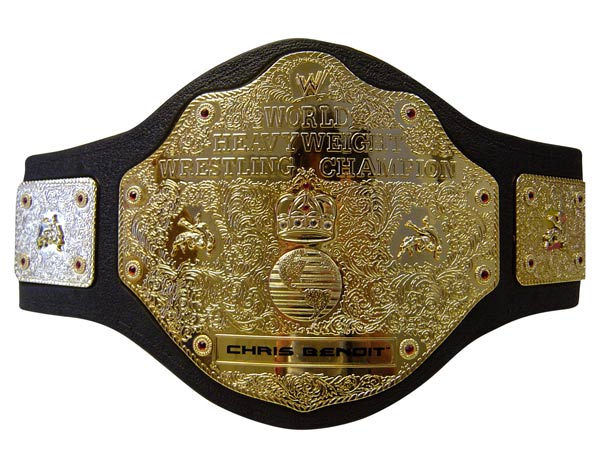
well i guess this is kinda chess related. a couple years ago on ICC i won second prize in the U1400 Marshall Attack tournament or something, so i wanted to put an ASCII belt on my profile. i googled and googled but nothign was to be found.
today i have fixed that problem.
here is my belt
the original picture is here
i think it turned out pretty good. the original website was www.asciiconvert.com and you can link or upload a picture and they will convert it to an ASCII image.
in a related note, i have found that they make an ASCII version of quake that can be played on dumb terminals. a link is here and here's a screenshot

i think it looks cool
today i have fixed that problem.
here is my belt
the original picture is here
i think it turned out pretty good. the original website was www.asciiconvert.com and you can link or upload a picture and they will convert it to an ASCII image.
in a related note, i have found that they make an ASCII version of quake that can be played on dumb terminals. a link is here and here's a screenshot
i think it looks cool
Tuesday, September 05, 2006
one more down...two (or three) to go?
today i finished Averbakh's Tactics for Advanced Players

i picked up Tal's life and games, but Hans said "Well you are allowed to enjoy yourself and there is nothing more fascinating than Tal's life and games - highest class of chess entertainment - but dont expect to learn much - however do read and enjoy!
I expect you are ready for Aagaard - try his Excelling at Chess first and then when you are done that try: Excelling at Positional Chess - those two books should take you well into the New Year."
so i might just work on Aagaard till 2007. that's why i'm paying him the big bucks ;)
Saturday, August 26, 2006
Rounds 4 and 5
C - K
G45 Owen Sound (4), 19.08.2006
B03 - Alekhine's Defense : Exchange Variation
1.e4 Nf6 The Alekhine from the Arch-Duke himself :) 2.e5 Nd5 3.d4 d6 4.c4 Nb6 5.exd6 cxd6 6.Nc3 g6 7.Be3 Bg7 8.Nf3 0-0 9.Bd3 Nc6 10.b3= [10.b3= and I offered a draw here because I had burned my hand on coffee and Jane was stomping around making noise, but Kirk showed me his idea of 10...f5 11.Qd2 and it looks strong. here's a line 11...e5 12.Bg5 Qc7 (12...Qe8 13.dxe5 dxe5 14.0-0 e4 15.c5 Nd7 (15...Nd5 16.Nxd5 exd3 17.Nc7 Qf7 18.Nxa8 Bxa1 19.Rxa1 Be6 20.Re1 Rxa8 21.Qxd3 Bd5 22.Bc1) 16.Bc4+ Kh8 17.Nb5 exf3 18.Rae1 Nde5 19.Nc7 fxg2 20.Kxg2 Nxc4 21.bxc4 Qf7 22.Nxa8; 13.c5 dxc5 14.dxc5 Nd7 15.Bc4+ Kh8 16.0-0 e4 17.Nd5 Qa5 18.b4 Nxb4 19.Be7 Re8 20.Ng5] ½-½
K - C
G45 Owen Sound (5), 26.08.2006
B12 - Caro-Kann : Advanced Variation
Game 5 and I hadn't been playing well v. Kirk. 1.e4 c6 We had just gone live with Cerner stuff at work so I figured it would be best to get into a comfortable position 2.d4 d5 3.e5 Bf5 4.Nf3 e6 5.Be2 Kirk's regular.

I can see why so many beginners think this is the greatest line v. the Caro-Kann. When i was looking at this during the game, I cursed myself for not playing something more active. Of course it's not bad, just passive 5...Nd7 going for my regular...the Karpov knights at e7and d7, then push c5 and Nc6 [is the mainline 5...c5 ] 6.0-0 Ne7 7.Nh4 Qb6 [7...c5 is the mainline and;
7...Be4 has been tried by Adams v. Shirov. After all these years of telling Kirk to play Nh4 he has recently been listening ;);
7...Bg6] 8.c3 [in my Caro book the stem line was Short-Adams, English Championship 1991. It went 8.Nxf5 Nxf5 9.c3 c5 10.Bd3 Ne7 (10...g6 Nunn-Adams, Brussells 1992 11.Re1 Nb8 12.Bxf5 gxf5 13.c4 dxc4 14.d5 Nd7 15.Na3 0-0-0 16.Bg5 Re8 17.Nxc4) ] 8...Bxb1?! the book says "gives White a comfortable edge". I figured that the knight would have to move still, and I wouldn't have to worry about the capture. Of course, that was just laziness on my part. Now he can easily develop his bishop and it didn't go in well with my Qb6 move. Oh well, live and learn. Also I wanted to be able to play Nc6 after c5. [8...c5 9.Nxf5 Nxf5 10.Na3] 9.Rxb1 c5 10.Be3! Showing the stupidity (well stupidity is too harsh)...weakness of my last move 10...Nc6 11.f4?! I think this was premature becaue it almost forces me to stop from castlign kingside [11.Nf3 I was thinking about this sort of thing (of course also after i moved Be7). 11...Be7 12.a3 and then lockign up the center and queenside and only then coming in for the kill on the kingside 12...0-0 13.b4 c4] 11...Be7 12.Nf3 f5!? Spectacularly unsound ;) My plan in all of these is to avoid castling, but i think the weakening of the e-pawn might have told. He can double up on the e-file. fairly easily 13.dxc5?! Now I'm fine [13.exf6 Nxf6 was stronger 14.Ng5 Kd7 15.Bg4 and he's better. I wouldn't feel comfortable defendign this position] 13...Bxc5 14.Bxc5 Qxc5+ 15.Kh1 Ke7!? This was a good move. It allowed me to kick the kngiht and move over to c7 eventually. [15...h6 was slow] 16.Ng5 [16.Qd2] 16...h6 17.Nh3 Rag8 [They said 17...g5 right away] 18.g4? I thought it was weak too ;) at least my king can run away if all the pawns come off 18...g5 [18...fxg4 19.Bxg4 then 19...g5] 19.gxf5 exf5 20.fxg5?! [20.Bf3! g4 (20...Nb6 21.Qd3 (21.Bg2 g4 22.Ng1 h5 23.Qd3 Ke6 24.Rbd1 (24.Rfc1 h4 25.b4 Qc4) 24...Rd8; 21...g4 22.b4 Qc4 23.Qxc4 dxc4 24.Bxc6 bxc6 25.Nf2; 21.Bxd5 attacks the rook] 20...hxg5 21.Rxf5? but it's still tough 21...Rxh3 22.Bg4 Rh4 23.e6 Nf6 24.Rxf6 Ne5? [24...Kxf6! still held 25.Qf3+ Kg7! (but i only saw 25...Ke7?? 26.Qf7+ Kd6 27.Qd7+ Ke5 28.Qc7+ Ke4 29.Re1+ Kd3 30.Qg3+ bitch 30...Kc4 (30...Kc2 31.Qg2+ Qf2 32.Qxf2+ Kd3 33.Qe2#) 31.Be2#; 26.Qf7+ Kh8 and it holds] 25.Rf5 [Stronger was 25.Rf7+ Nxf7 26.exf7 Kxf7 and it's just the exchange and his cornered king ;)] 25...Nxg4 26.Qe2 Rxh2+ an interesting game. Even if I got mated I would've enjoyed this one...of course I won so that's a different story completely ;) 0-1
G45 Owen Sound (4), 19.08.2006
B03 - Alekhine's Defense : Exchange Variation
1.e4 Nf6 The Alekhine from the Arch-Duke himself :) 2.e5 Nd5 3.d4 d6 4.c4 Nb6 5.exd6 cxd6 6.Nc3 g6 7.Be3 Bg7 8.Nf3 0-0 9.Bd3 Nc6 10.b3= [10.b3= and I offered a draw here because I had burned my hand on coffee and Jane was stomping around making noise, but Kirk showed me his idea of 10...f5 11.Qd2 and it looks strong. here's a line 11...e5 12.Bg5 Qc7 (12...Qe8 13.dxe5 dxe5 14.0-0 e4 15.c5 Nd7 (15...Nd5 16.Nxd5 exd3 17.Nc7 Qf7 18.Nxa8 Bxa1 19.Rxa1 Be6 20.Re1 Rxa8 21.Qxd3 Bd5 22.Bc1) 16.Bc4+ Kh8 17.Nb5 exf3 18.Rae1 Nde5 19.Nc7 fxg2 20.Kxg2 Nxc4 21.bxc4 Qf7 22.Nxa8; 13.c5 dxc5 14.dxc5 Nd7 15.Bc4+ Kh8 16.0-0 e4 17.Nd5 Qa5 18.b4 Nxb4 19.Be7 Re8 20.Ng5] ½-½
K - C
G45 Owen Sound (5), 26.08.2006
B12 - Caro-Kann : Advanced Variation
Game 5 and I hadn't been playing well v. Kirk. 1.e4 c6 We had just gone live with Cerner stuff at work so I figured it would be best to get into a comfortable position 2.d4 d5 3.e5 Bf5 4.Nf3 e6 5.Be2 Kirk's regular.
I can see why so many beginners think this is the greatest line v. the Caro-Kann. When i was looking at this during the game, I cursed myself for not playing something more active. Of course it's not bad, just passive 5...Nd7 going for my regular...the Karpov knights at e7and d7, then push c5 and Nc6 [is the mainline 5...c5 ] 6.0-0 Ne7 7.Nh4 Qb6 [7...c5 is the mainline and;
7...Be4 has been tried by Adams v. Shirov. After all these years of telling Kirk to play Nh4 he has recently been listening ;);
7...Bg6] 8.c3 [in my Caro book the stem line was Short-Adams, English Championship 1991. It went 8.Nxf5 Nxf5 9.c3 c5 10.Bd3 Ne7 (10...g6 Nunn-Adams, Brussells 1992 11.Re1 Nb8 12.Bxf5 gxf5 13.c4 dxc4 14.d5 Nd7 15.Na3 0-0-0 16.Bg5 Re8 17.Nxc4) ] 8...Bxb1?! the book says "gives White a comfortable edge". I figured that the knight would have to move still, and I wouldn't have to worry about the capture. Of course, that was just laziness on my part. Now he can easily develop his bishop and it didn't go in well with my Qb6 move. Oh well, live and learn. Also I wanted to be able to play Nc6 after c5. [8...c5 9.Nxf5 Nxf5 10.Na3] 9.Rxb1 c5 10.Be3! Showing the stupidity (well stupidity is too harsh)...weakness of my last move 10...Nc6 11.f4?! I think this was premature becaue it almost forces me to stop from castlign kingside [11.Nf3 I was thinking about this sort of thing (of course also after i moved Be7). 11...Be7 12.a3 and then lockign up the center and queenside and only then coming in for the kill on the kingside 12...0-0 13.b4 c4] 11...Be7 12.Nf3 f5!? Spectacularly unsound ;) My plan in all of these is to avoid castling, but i think the weakening of the e-pawn might have told. He can double up on the e-file. fairly easily 13.dxc5?! Now I'm fine [13.exf6 Nxf6 was stronger 14.Ng5 Kd7 15.Bg4 and he's better. I wouldn't feel comfortable defendign this position] 13...Bxc5 14.Bxc5 Qxc5+ 15.Kh1 Ke7!? This was a good move. It allowed me to kick the kngiht and move over to c7 eventually. [15...h6 was slow] 16.Ng5 [16.Qd2] 16...h6 17.Nh3 Rag8 [They said 17...g5 right away] 18.g4? I thought it was weak too ;) at least my king can run away if all the pawns come off 18...g5 [18...fxg4 19.Bxg4 then 19...g5] 19.gxf5 exf5 20.fxg5?! [20.Bf3! g4 (20...Nb6 21.Qd3 (21.Bg2 g4 22.Ng1 h5 23.Qd3 Ke6 24.Rbd1 (24.Rfc1 h4 25.b4 Qc4) 24...Rd8; 21...g4 22.b4 Qc4 23.Qxc4 dxc4 24.Bxc6 bxc6 25.Nf2; 21.Bxd5 attacks the rook] 20...hxg5 21.Rxf5? but it's still tough 21...Rxh3 22.Bg4 Rh4 23.e6 Nf6 24.Rxf6 Ne5? [24...Kxf6! still held 25.Qf3+ Kg7! (but i only saw 25...Ke7?? 26.Qf7+ Kd6 27.Qd7+ Ke5 28.Qc7+ Ke4 29.Re1+ Kd3 30.Qg3+ bitch 30...Kc4 (30...Kc2 31.Qg2+ Qf2 32.Qxf2+ Kd3 33.Qe2#) 31.Be2#; 26.Qf7+ Kh8 and it holds] 25.Rf5 [Stronger was 25.Rf7+ Nxf7 26.exf7 Kxf7 and it's just the exchange and his cornered king ;)] 25...Nxg4 26.Qe2 Rxh2+ an interesting game. Even if I got mated I would've enjoyed this one...of course I won so that's a different story completely ;) 0-1
Tuesday, August 15, 2006
Round Three
K - C
G45 Owen Sound (3), 14.08.2006
C55 - Two Knights Game
Kirk got some revenge this game 1.e4 e5 I was gonna play the Caro and stop him from playing 1.e4 eventually but I really had some decent ideas in the Ruy. Next time maybe 2.Nf3 Nc6 3.Bc4 Nf6 4.Nc3 Be7?! [I should've played 4...Nxe4 but I wanted not to mix it up;
or even something less passive like 4...Bc5 ] 5.0-0 0-0 6.d3 d6 7.h3 Kirk chooses a passive line so I choose to get the bishop pair 7...Na5 8.Bb3 Nxb3 9.axb3 h6 Our opening play is at the level of the U16 girls Arctic Championship
[9...c5 was stronger, making him work for his d4-push] 10.d4 exd4 11.Nxd4 a6 [I could even play 11...c5 now] 12.Nd5 Nxd5 [12...Nxe4 13.Re1 f5 14.Nxe7+ Qxe7 15.f3 c5;
12...c6] 13.exd5 Bd7 14.Qf3 Rc8 [14...Bg5 may have been better] 15.Bf4 c5 [15...Bf6] 16.dxc6 Bxc6 17.Nxc6 Rxc6 18.Rfd1 Rxc2 [18...Bg5] 19.Qxb7 Rxb2 20.Rxa6 Qe8?? A brutal move [20...Qc8! 21.Qxe7 Qxa6 22.Bxd6 Rc8] 21.Re1 Qb8 22.Rxe7 Rxb3 23.Qxb8 Rfxb8 24.Raa7 Rf8 25.Bxd6 Rd3 26.Red7 Re8 27.Rxf7 Rxd6 28.Rxg7+ Kh8 29.Rgf7 Rc6 30.Rf5 Rg8 31.Raf7 Rd6 32.g4 Re6 33.Kg2 Rg7 34.Kg3 Kg8 35.Rxg7+ Kxg7 36.Kh4 Re2 [36...Kg6] 37.Kh5 Re6 38.h4 Rd6 39.g5 hxg5 40.hxg5 Re6 41.f4 Re1 42.Re5 Rh1+ 43.Kg4 Rg1+ 44.Kf5 Kf7 45.Re6 [45.g6+ Rxg6 46.Re7+ Kxe7 47.Kxg6] 45...Rf1 46.Ra6 Kg7 47.Ra7+ Kf8 48.g6 Kg8 49.Kg5 Rf2 50.f5 Rf1 51.Kf6 I could've resigned 30 moves ago but our thing was to play on till mate 1-0
Saturday, August 12, 2006
Game Two
C - K
G45 Owen Sound (2), 12.08.2006
C19 - French: Winawer, advance, positional main line
A bit of a miniature today 1.e4 e6 [I was hoping he'd play 1...e5 but I suspected he'd play the French] 2.d4 d5 3.Nc3 [I had been avoiding the Winawer for years with 3.e5 but I figured what the hell ] 3...Bb4 4.e5 [Of course there's a lot of decent ways to play this 4.Qg4 ;
4.a3;
Even 4.Bd2 ] 4...c5 5.a3 Bxc3+ 6.bxc3 Ne7 7.Nf3 [Avoiding the Poisoned Pawn 7.Qg4 which I know Kirk likes] 7...Qc7 8.Bd3?! [8.a4 is the mainline but I wanted to castle...I've dropped a c-pawn too many times in the Winawer...this also contains a trap] 8...0-0? [8...b6 is the mainline;
Botwinnik tried 8...Nd7 ] 9.Bxh7+ Kxh7 10.Ng5+ Kg8 11.Qh5 [11.Qh5 and he resigns. I imagine he could play on a little longer but it looks tough 11...Rd8 12.Qh7+ Kf8 13.Qh8+ Ng8 14.Nh7+ Ke7 15.Bg5+ Kd7 16.Bxd8 Qxd8 17.Qxg7 I was happy enough with my play. I could never have been set up better for the h7-sack ever] 1-0
Friday, August 11, 2006
Game 1
me and K decided to have a match over the rest of the summer, with the first to win 4 games. here's game one
K - C
G45 Owen Sound (1), 10.08.2006
D40 - QGD: Semi-Tarrasch defense, Pillsbury variation
First game. First half serious game I've played since Canadian Open 1.d4 I expected 1.e4. Now I have to rethink everything ;) 1...d5 [I also considered 1...c6 ;
1...Nf6;
1...f5] 2.Nf3 Nf6 3.c4 e6 4.Nc3 c5 A surprise for Kirk I'm sure [I also considered 4...c6 but avoided it because 5.e3 Nbd7 6.Qc2 Bd6 7.g4;
4...Bb4 may be in the future] 5.Bg5 Pillsbury variation [5.cxd5 Nxd5 is the mainline semi-Tarrasch(5...exd5 6.g3 Be7 7.Bg2 0-0 8.0-0 Nc6 is the Tarrasch) ;
5.e3] 5...Nc6? [5...cxd4 6.Nxd4 (6.Qxd4 Be7= MCO) 6...e5! 7.Nf3 d4 Euwe-Alekhine] 6.cxd5 Nxd4 [6...exd5 7.Bxf6 gxf6 looks good for White. I tried to mix it up] 7.Nxd4 cxd4 8.Qxd4 Be7 9.e4 0-0 [9...Nxd5 can't be played until after castled because of both 10.Bb5+ (10.Qxg7) ] 10.Bxf6 I missed this 10...Bxf6 11.e5 Bg5 [11...Be7 12.d6 Bg5] 12.f4 Bh6 13.d6 a6 [To stop Bb5 but 13...f6 14.Bb5 wouldn't necessarily be so bad] 14.Bc4 Bd7 15.0-0 Bc6 16.g4 Qh4 17.Qd1 b5 18.Bd3 f6 19.Be4 Bxe4 20.Nxe4 f5? [20...fxe5 21.g5 Rxf4 22.Rxf4 Qxf4] 21.Nc5 fxg4 22.Nxe6 g3 23.Qd2 [I thought that 23.Qe2 was better but after 23...Bxf4] 23...gxh2+ 24.Qxh2?? [This is painful but necessary 24.Kh1 Rfc8 25.d7] 24...Qg4+ 25.Kh1 Qxe6 26.Rac1 [26.Rad1] 26...Qd5+ 27.Kg1 Qd4+ 28.Qf2 Qxf2+ 29.Rxf2 Bxf4 and I win the first game. He probably could've played on but we'll learn to play harder 0-1
in an unrelated note, Neil Frarey is planning on bidding on the Canadian Open at the University of Carleton in 2007. Good luck Neil!
Tuesday, July 25, 2006
Cdn Open 2006 Rounds 7-9
CS - DM
Canadian Open U2000 Kitchener (7), 21.07.2006
D67 - QGD : Orthodox, 8.Bd3
Before this tournament I told myself that how well (or how poorly) I was doing, every round i would be playing someone who was doing as well (as poorly) as I was. This isn't necessarily the case in a local tournament, but in a section with 80 people it definitely is. My opponent lived in Sault Ste. Marie and this was his yearly tournament. 1.d4 d5 2.c4 e6 3.Nc3 Nf6 4.Nf3 Nbd7 5.Bg5 Be7 6.e3 0-0 7.Rc1 c6 8.Bd3 [Who says that an old dog can't learn new tricks? I analyzed my previous White game and learned what the main line was so I went for it here. 8.cxd5 exd5 was the previous game] 8...dxc4 9.Bxc4 Nd5 10.Bxe7 Qxe7 11.0-0 N7f6 12.Bd3 Nxc3 13.Rxc3= And I offered a draw here. He declined it. For some reason I thought the "mainline" included a ...h6 and a Bh4 by me so I thought I was a tempo up on the mainline. ;) 13...Nd5 14.Rc1 Rd8 15.a3 I wanted to take b4 away from his knight, but more importantly his queen. Also I threatened expansion. I could get away with this because I have a huge advantage in development. 15...a5 16.Ne5 [Of course after 16.e4 Nf4 is strong.;
Maybe keeping on both the c-file and h7 with 16.Qc2 was better? It's unclear. I decided to play for e4 again.] 16...Bd7 17.Qb3 Be8 18.h3 I couldn't figure out how I wanted to continue, so I decided to go for some luft. 18...f6 19.Nf3 [Maybe 19.Nc4 was better and allow me to play on the queenside, but I was itching to go at his king] 19...Bf7 20.Qc2! I was happy with this move, forcing more weaknesses on the kingside 20...g6 [Maybe 20...h6 is more bearable, but my light square battery looks strong there] 21.Rfe1 e5 22.e4 Nf4 23.Bc4 exd4 24.Rcd1 c5 25.Bxf7+ Kxf7 26.e5!=

The exclam isn't for the quality of the move as much as it is for increasing the sharpness of the position. At this level in particular a little bit of pressure can do wonders. I offered a draw here on his time and he said "the position sure is tense" and then played... 26...Kf8? [A much tougher move would have been 26...f5 and there's no easy way for me to proceed. 27.Qc1 Nd5 28.Nd2 b6 29.Nc4 and I'm just down a pawn;
26...fxe5 Gives me a free shot at his queen but can I do anything with is the question 27.Nxe5+ Kg7 is forced as most moves to a dark square win the queen and(27...Kg8 28.Nxg6 is strong) ] 27.exf6 Qxf6 [27...Qd6 28.Re5 b6 29.Qe4 Qxf6 30.Ng5 Kg8 looks strong but I don't see a mate 31.g3 Nh5 32.Nxh7 Kxh7 33.Rxh5+] 28.Qxc5+ Qd6 29.Qxd6+ Rxd6= Of course here he says "I'll take that draw" but I'm substantially better and have all the winning chances. 30.Rxd4 Rxd4 31.Nxd4 Rd8? I would have thought that he would be trying to avoid any trade 32.Ne6+ Nxe6 33.Rxe6 Rd7 34.Rb6 Ke8 35.Rb5 Winning a pawn 35...Rd1+ 36.Kh2 Rd2 37.Kg3 Rd4 38.Rxb7 [I figured taking the b-pawn would keep defending my b-pawn and let me made a passer easier than 38.Rxa5 Kd7 39.Rb5 Kc6] 38...h5 39.h4 Rg4+ 40.Kh3 Kd8 41.b4 Rd4 42.Rb5 Rd3+ 43.f3 axb4 44.Rxb4 [Probably I should have just played 44.axb4 and then played 44...-- 45.Rg5 and tried to pick off the g-pawn and if not get behind the b-pawn instead of in front of it like in the game 45...Rd6 46.b5 Rb6 47.g4 Rf6 48.gxh5 gxh5 49.Rxh5 Rxf3+ 50.Kg4] 44...Rd6 [44...Rxa3 45.Rb6 is tough] 45.Ra4 [Perhaps 45.Rb5 to get at the g-pawn was better 45...Ra6 46.Rg5 Ke7 47.a4 Kf6 48.a5] 45...Ke7 46.Kg3 Ke8 47.Ra7 Kf8 48.a4 Ke8 49.a5 Kf8 50.a6 Kg8 51.Ra8+? Probably better is to go after the g-pawn with my king and keep his king from going to the 7th [51.Kf4 Kf8 (51...Rd5 52.Rb7 Ra5 53.a7 Rf5+ 54.Ke4 Ra5 55.Rb8+ Kf7 56.a8Q Rxa8 57.Rxa8) 52.Kg5 and it's almost over] 51...Kh7 52.a7 Ra6 53.Kf4 Trying to get an active king. Now I couldn't figure out how to win this. 53...Ra5 54.g4 hxg4 55.fxg4 g5+ 56.hxg5 Kg7 57.Kg3 Ra3+ 58.Kh4 Ra2 59.g6 Ra3 60.Kg5 Ra5+ 61.Kf4 Ra6 62.Ke5 Ra5+ 63.Kd6 Ra6+ 64.Kc7 Ra2 65.Kc6 Rc2+ 66.Kd5 I couldn't see a way to avoid the checks (he had too many squares to move vertically with his rook) so I decided to try and win it over here 66...Ra2 67.Ke4 Ra4+ 68.Kf5 Ra5+ 69.Kf4 Ra4+ 70.Kg3 Ra3+ 71.Kh4 Ra2 72.Rd8 Rxa7 73.Rd6 Ra5 74.Kg3 Ra3+ 75.Kh4 Ra5 76.Re6 Rb5 77.g5 Rb1 78.Kg4 Rg1+ 79.Kh5 Kg8? I'm not sure why he played this 80.Re7 Rb1 81.g7 Rh1+ 82.Kg6 This was all I could hope for 82...Rh6+ 83.Kf5 [83.gxh6 stalemate;
83.Kxh6 stalemate] 83...Rh1 84.Ra7? [84.Kf6! Rf1+ (84...Rh6+ 85.gxh6 Kh7 wins) 85.Kg6 Re1 86.Rf7 Rf1 87.Rf8+ similar to the game] 84...Rf1+ 85.Kg6 Ra1 86.Rf7 Ra6+ 87.Rf6 Rb6

88.Kh5?? [I have no idea why I didn't see this. After the game of course it's obvious 88.Kh6! ] 88...Rb1 89.Re6 I was drained and upset that I had spoiled a perfectly won endgame. 89...Kxg7 90.Re4 Rh1+ 91.Rh4 Rxh4+ 92.Kxh4 Kg6 93.Kg4 Kg7 94.Kf5 Kf7 95.g6+ Kg7 96.Kg5 Kg8 97.Kf6 Kf8 Not the greatest game, but I consoled myself by the fact that it would've been the same result if he had taken the draw on move 13 or move 26 ½-½
CS - KC
Canadian Open U2000 Kitchener (8), 22.07.2006
D18 - Slav : Dutch Variation
1.d4 d5 2.c4 c6 3.Nf3 Nf6 4.Nc3 dxc4 5.a4 Bf5 6.e3 [I have previous tried 6.Nh4 but it is painful to the eyes] 6...e6 7.Bxc4 Bb4 8.0-0 0-0 9.Qb3 [Theory (D19) is 9.Qe2 my friend Armando Valdizon told me that the only opening theory he knew was memorizing the ECO codes. It sort of made me laugh at the time, but I would've gotten a better position this game if I knew that Qe2 was the move for D19 ;);
Kirk plays the Slav but I had never actually gotten this deep. I wanted to play 9.Nh4 but I saw ghosts and wanted to protect the "c-pawn" after the exchange with my queen and also threaten the b-pawn behind the bishop etc. 9...Bxc3 10.bxc3 Ne4 11.Nxf5 exf5] 9...a5?! [9...Qe7;
or 9...Qb6 are better] 10.Nh4 Bg6 [10...Bg4 11.f3 Bh5] 11.Nxg6 hxg6 12.Ne2 [I wondered if I could win a pawn here with 12.Na2 Na6 (I was worried about something like 12...Bd6 giving up the pawn but leaving my knight stuck on a2 for a while) 13.Nxb4 Nxb4 14.Bd2 holds the pawn but makes thing unpleasant for him 14...Qd6 ] 12...Qc7 Playing for development here and to connect my rooks 13.Rd1 Nbd7 14.Bd2 Bd6 15.Ng3 PLaying for e4 like every 1.d4 game I play it seems ;) 15...Nd5? [15...Rfd8] 16.e4 Nb4 17.e5 I had to go for it now 17...Be7

18.Bxe6= I offered a draw here, and since he was like 200 points higher he refused it. He also saw my horrible play the previous game (buddy of the guy I drew) so I figured he would play on to mate hoping I'd mess up 18...Nxe5? [18...fxe6 19.Qxe6+ Rf7 (19...Kh7 20.Qxe7) 20.Qxg6 Nf8 21.Qg4 and it's going to be an interesting middlegame] 19.dxe5 Qxe5? Thinking he can pick off my piece regardless [19...fxe6 20.Qxe6+ Rf7 was better] 20.Re1 Qd6 21.Bxb4 axb4 22.Rad1 Qc5 23.Bg4 and I'm ujp a healthy piece for a pawn and he has some weak pawns 23...Bh4 24.Bf3 Rac8 25.Rc1 Qb6 26.Rc4 Winning something 26...c5?? and he drops a piece. The rest is uneventful and he just played on, not because he is a poor sport but because he thought I'd play as poorly as I did the previous round 27.Rxh4 c4 28.Rxc4 Rce8 29.Rcc1 Qd4 30.h3 Qd2 31.Red1 Qg5 32.Qxb4 Re5 33.Qxb7 Rfe8 34.b4 Qf4 35.a5 R5e7 36.Qc6 Qxb4 37.Qc3 Qf4 38.Re1 Kh7 39.Rxe7 Rxe7 40.a6 Ra7 41.Ra1 f5 42.Bb7 I was particularly happy with the position here 42...Qd6 43.Qc6 Qd4 44.Qc1 Qe5 45.Ra3 f4 46.Qc3 Qd6 47.Qd3 Qc5 48.Ne4 Qc1+ 49.Kh2 Qc7 50.f3 Kh6 51.Rc3 Qe5 52.Rc8 Kh7 53.Qd8 g5 54.Qxg5 Qxg5 55.Nxg5+ Kg6 56.Ne6 Kf5 57.Nxg7+ Ke5 58.Rf8 Kd4 59.Ne6+ Ke3 60.Nxf4 Kf2 61.Nd5 Ke2 62.Nb4 Ke3 63.Nc6 1-0
If i had my druthers I would've been able to refuse his resignation and promote all my pawns to queens and checkmate him, but unfortunately that is not in the rules.
KS - CS
Canadian Open U2000 Kitchener (9), 23.07.2006
B20 - Sicilian
Last round of a long tournament. This was a nice guy from Toronto who was in the family prize with his dad, who Kirk took on earlier in the tournament. 1.e4 Nf6 I lost every game I played with the Caro, the opening had nothing to do with it, but I needed a change regardless. Since my brother is the archduke of the Alekhine and he dropped out of the tournament I thought I would keep his tournament alive, so to speak, and play an Alekhine 2.d3 Drats. I decided to go into a Closed Sicilian 2...d6 3.Nf3 g6 4.g3 Bg7 5.Bg2 0-0 6.0-0 c5 Equality after 6 moves, just like every other game ;) 7.Re1 [Better to develop 7.Nc3 ] 7...Nc6 8.c3 Qb6 Maybe this wasn't best, but I wanted to make his development as difficult as possible, and try my best to stop the d4 push 9.Nbd2 Bg4 10.h3 Bd7? [Not paying attention to his possibilities. Although 10...Be6 blocks the e-pawn, it shuts down his options with his knight] 11.Nc4! Qc7 12.Ne3 [I thought he was going to start the assault on my position with something like 12.e5 ] 12...Rac8 13.Nh2 b5 Trying to make some aggressive intentions on the queenside. 14.Nd5 Because of this, 11. ...Qd8 was probably better 14...Qd8 15.Nxf6+ Bxf6 16.Bh6 Bg7 17.Qd2 e6 18.Ng4 Ne5 [A tough move to make, but I didn't like the look of 18...e5 19.Bxg7 Kxg7 20.Qh6+ Kh8 even though it was probably better] 19.Bxg7 Kxg7 20.Qh6+ [Paraphrasing Lasker annotating Morphy-Count Isouard, I'm more of a butcher than an artist. (He was talking about the position after 1.e4 e5 2.nf3 d6 3.d4 Bg4 4.dxe5 Bxf3 5.Qxf3 dxe5 6.Bc4 Nf6 7.Qb3 Qe7 saying that 8.Qxb7 would be the butcher's method) I would've played 20.Nxe5 dxe5 here and then something like 21.Rad1] 20...Kh8 [The way the game ended up 20...Kg8 would have been much better, but I wanted to get my queen to g7 and trade off. I offered a draw somewhere before this and he mentioned that he would have taken the draw, but he had to play to the end as him and his dad had an 'outside shot' at the family prize] 21.d4 [21.Nxe5 I believe 21...dxe5 22.Rad1 is preferable] 21...Nxg4 22.hxg4 Qf6? aiming for g7 [Taking control of the c-file with 22...cxd4 23.cxd4 Rc2 was better I think] 23.e5 dxe5 24.Bb7 Rc7?? [He sat for a long time thinking about this move. I didn't want to play 24...Rb8 and wanted to threaten something, missing that the only thing defending my rook was the rook. Another moment of blindness this one resulting in mate] 25.Qxf8# An appropriate finish to an uneven tournament 1-0
so i learned a few things. one, bring a sweater...those hotels were air conditioned so powerfully that i found myself literally shivering and had to go outside to warm myself up. two, play more slow chess before hand. i wasn't used to being able to think for 30 minutes for a move. this sounds like it would be an advantage, but unfortunately i found myself antsy and making instinctive and reactive moves. and three, i made a whole whack of one move blunders. i don't know if playing more slow games will help that, but if i did a better "idiot check" before i move i could've scored a few more points relatively easily. i really enjoyed myself, the tournament site was the best i've been in, and i'm going back next year. rumor has it, it's gonna be in kitchener again, but i imagine they'll announce that in the near future
Canadian Open U2000 Kitchener (7), 21.07.2006
D67 - QGD : Orthodox, 8.Bd3
Before this tournament I told myself that how well (or how poorly) I was doing, every round i would be playing someone who was doing as well (as poorly) as I was. This isn't necessarily the case in a local tournament, but in a section with 80 people it definitely is. My opponent lived in Sault Ste. Marie and this was his yearly tournament. 1.d4 d5 2.c4 e6 3.Nc3 Nf6 4.Nf3 Nbd7 5.Bg5 Be7 6.e3 0-0 7.Rc1 c6 8.Bd3 [Who says that an old dog can't learn new tricks? I analyzed my previous White game and learned what the main line was so I went for it here. 8.cxd5 exd5 was the previous game] 8...dxc4 9.Bxc4 Nd5 10.Bxe7 Qxe7 11.0-0 N7f6 12.Bd3 Nxc3 13.Rxc3= And I offered a draw here. He declined it. For some reason I thought the "mainline" included a ...h6 and a Bh4 by me so I thought I was a tempo up on the mainline. ;) 13...Nd5 14.Rc1 Rd8 15.a3 I wanted to take b4 away from his knight, but more importantly his queen. Also I threatened expansion. I could get away with this because I have a huge advantage in development. 15...a5 16.Ne5 [Of course after 16.e4 Nf4 is strong.;
Maybe keeping on both the c-file and h7 with 16.Qc2 was better? It's unclear. I decided to play for e4 again.] 16...Bd7 17.Qb3 Be8 18.h3 I couldn't figure out how I wanted to continue, so I decided to go for some luft. 18...f6 19.Nf3 [Maybe 19.Nc4 was better and allow me to play on the queenside, but I was itching to go at his king] 19...Bf7 20.Qc2! I was happy with this move, forcing more weaknesses on the kingside 20...g6 [Maybe 20...h6 is more bearable, but my light square battery looks strong there] 21.Rfe1 e5 22.e4 Nf4 23.Bc4 exd4 24.Rcd1 c5 25.Bxf7+ Kxf7 26.e5!=
The exclam isn't for the quality of the move as much as it is for increasing the sharpness of the position. At this level in particular a little bit of pressure can do wonders. I offered a draw here on his time and he said "the position sure is tense" and then played... 26...Kf8? [A much tougher move would have been 26...f5 and there's no easy way for me to proceed. 27.Qc1 Nd5 28.Nd2 b6 29.Nc4 and I'm just down a pawn;
26...fxe5 Gives me a free shot at his queen but can I do anything with is the question 27.Nxe5+ Kg7 is forced as most moves to a dark square win the queen and(27...Kg8 28.Nxg6 is strong) ] 27.exf6 Qxf6 [27...Qd6 28.Re5 b6 29.Qe4 Qxf6 30.Ng5 Kg8 looks strong but I don't see a mate 31.g3 Nh5 32.Nxh7 Kxh7 33.Rxh5+] 28.Qxc5+ Qd6 29.Qxd6+ Rxd6= Of course here he says "I'll take that draw" but I'm substantially better and have all the winning chances. 30.Rxd4 Rxd4 31.Nxd4 Rd8? I would have thought that he would be trying to avoid any trade 32.Ne6+ Nxe6 33.Rxe6 Rd7 34.Rb6 Ke8 35.Rb5 Winning a pawn 35...Rd1+ 36.Kh2 Rd2 37.Kg3 Rd4 38.Rxb7 [I figured taking the b-pawn would keep defending my b-pawn and let me made a passer easier than 38.Rxa5 Kd7 39.Rb5 Kc6] 38...h5 39.h4 Rg4+ 40.Kh3 Kd8 41.b4 Rd4 42.Rb5 Rd3+ 43.f3 axb4 44.Rxb4 [Probably I should have just played 44.axb4 and then played 44...-- 45.Rg5 and tried to pick off the g-pawn and if not get behind the b-pawn instead of in front of it like in the game 45...Rd6 46.b5 Rb6 47.g4 Rf6 48.gxh5 gxh5 49.Rxh5 Rxf3+ 50.Kg4] 44...Rd6 [44...Rxa3 45.Rb6 is tough] 45.Ra4 [Perhaps 45.Rb5 to get at the g-pawn was better 45...Ra6 46.Rg5 Ke7 47.a4 Kf6 48.a5] 45...Ke7 46.Kg3 Ke8 47.Ra7 Kf8 48.a4 Ke8 49.a5 Kf8 50.a6 Kg8 51.Ra8+? Probably better is to go after the g-pawn with my king and keep his king from going to the 7th [51.Kf4 Kf8 (51...Rd5 52.Rb7 Ra5 53.a7 Rf5+ 54.Ke4 Ra5 55.Rb8+ Kf7 56.a8Q Rxa8 57.Rxa8) 52.Kg5 and it's almost over] 51...Kh7 52.a7 Ra6 53.Kf4 Trying to get an active king. Now I couldn't figure out how to win this. 53...Ra5 54.g4 hxg4 55.fxg4 g5+ 56.hxg5 Kg7 57.Kg3 Ra3+ 58.Kh4 Ra2 59.g6 Ra3 60.Kg5 Ra5+ 61.Kf4 Ra6 62.Ke5 Ra5+ 63.Kd6 Ra6+ 64.Kc7 Ra2 65.Kc6 Rc2+ 66.Kd5 I couldn't see a way to avoid the checks (he had too many squares to move vertically with his rook) so I decided to try and win it over here 66...Ra2 67.Ke4 Ra4+ 68.Kf5 Ra5+ 69.Kf4 Ra4+ 70.Kg3 Ra3+ 71.Kh4 Ra2 72.Rd8 Rxa7 73.Rd6 Ra5 74.Kg3 Ra3+ 75.Kh4 Ra5 76.Re6 Rb5 77.g5 Rb1 78.Kg4 Rg1+ 79.Kh5 Kg8? I'm not sure why he played this 80.Re7 Rb1 81.g7 Rh1+ 82.Kg6 This was all I could hope for 82...Rh6+ 83.Kf5 [83.gxh6 stalemate;
83.Kxh6 stalemate] 83...Rh1 84.Ra7? [84.Kf6! Rf1+ (84...Rh6+ 85.gxh6 Kh7 wins) 85.Kg6 Re1 86.Rf7 Rf1 87.Rf8+ similar to the game] 84...Rf1+ 85.Kg6 Ra1 86.Rf7 Ra6+ 87.Rf6 Rb6
88.Kh5?? [I have no idea why I didn't see this. After the game of course it's obvious 88.Kh6! ] 88...Rb1 89.Re6 I was drained and upset that I had spoiled a perfectly won endgame. 89...Kxg7 90.Re4 Rh1+ 91.Rh4 Rxh4+ 92.Kxh4 Kg6 93.Kg4 Kg7 94.Kf5 Kf7 95.g6+ Kg7 96.Kg5 Kg8 97.Kf6 Kf8 Not the greatest game, but I consoled myself by the fact that it would've been the same result if he had taken the draw on move 13 or move 26 ½-½
CS - KC
Canadian Open U2000 Kitchener (8), 22.07.2006
D18 - Slav : Dutch Variation
1.d4 d5 2.c4 c6 3.Nf3 Nf6 4.Nc3 dxc4 5.a4 Bf5 6.e3 [I have previous tried 6.Nh4 but it is painful to the eyes] 6...e6 7.Bxc4 Bb4 8.0-0 0-0 9.Qb3 [Theory (D19) is 9.Qe2 my friend Armando Valdizon told me that the only opening theory he knew was memorizing the ECO codes. It sort of made me laugh at the time, but I would've gotten a better position this game if I knew that Qe2 was the move for D19 ;);
Kirk plays the Slav but I had never actually gotten this deep. I wanted to play 9.Nh4 but I saw ghosts and wanted to protect the "c-pawn" after the exchange with my queen and also threaten the b-pawn behind the bishop etc. 9...Bxc3 10.bxc3 Ne4 11.Nxf5 exf5] 9...a5?! [9...Qe7;
or 9...Qb6 are better] 10.Nh4 Bg6 [10...Bg4 11.f3 Bh5] 11.Nxg6 hxg6 12.Ne2 [I wondered if I could win a pawn here with 12.Na2 Na6 (I was worried about something like 12...Bd6 giving up the pawn but leaving my knight stuck on a2 for a while) 13.Nxb4 Nxb4 14.Bd2 holds the pawn but makes thing unpleasant for him 14...Qd6 ] 12...Qc7 Playing for development here and to connect my rooks 13.Rd1 Nbd7 14.Bd2 Bd6 15.Ng3 PLaying for e4 like every 1.d4 game I play it seems ;) 15...Nd5? [15...Rfd8] 16.e4 Nb4 17.e5 I had to go for it now 17...Be7
18.Bxe6= I offered a draw here, and since he was like 200 points higher he refused it. He also saw my horrible play the previous game (buddy of the guy I drew) so I figured he would play on to mate hoping I'd mess up 18...Nxe5? [18...fxe6 19.Qxe6+ Rf7 (19...Kh7 20.Qxe7) 20.Qxg6 Nf8 21.Qg4 and it's going to be an interesting middlegame] 19.dxe5 Qxe5? Thinking he can pick off my piece regardless [19...fxe6 20.Qxe6+ Rf7 was better] 20.Re1 Qd6 21.Bxb4 axb4 22.Rad1 Qc5 23.Bg4 and I'm ujp a healthy piece for a pawn and he has some weak pawns 23...Bh4 24.Bf3 Rac8 25.Rc1 Qb6 26.Rc4 Winning something 26...c5?? and he drops a piece. The rest is uneventful and he just played on, not because he is a poor sport but because he thought I'd play as poorly as I did the previous round 27.Rxh4 c4 28.Rxc4 Rce8 29.Rcc1 Qd4 30.h3 Qd2 31.Red1 Qg5 32.Qxb4 Re5 33.Qxb7 Rfe8 34.b4 Qf4 35.a5 R5e7 36.Qc6 Qxb4 37.Qc3 Qf4 38.Re1 Kh7 39.Rxe7 Rxe7 40.a6 Ra7 41.Ra1 f5 42.Bb7 I was particularly happy with the position here 42...Qd6 43.Qc6 Qd4 44.Qc1 Qe5 45.Ra3 f4 46.Qc3 Qd6 47.Qd3 Qc5 48.Ne4 Qc1+ 49.Kh2 Qc7 50.f3 Kh6 51.Rc3 Qe5 52.Rc8 Kh7 53.Qd8 g5 54.Qxg5 Qxg5 55.Nxg5+ Kg6 56.Ne6 Kf5 57.Nxg7+ Ke5 58.Rf8 Kd4 59.Ne6+ Ke3 60.Nxf4 Kf2 61.Nd5 Ke2 62.Nb4 Ke3 63.Nc6 1-0
If i had my druthers I would've been able to refuse his resignation and promote all my pawns to queens and checkmate him, but unfortunately that is not in the rules.
KS - CS
Canadian Open U2000 Kitchener (9), 23.07.2006
B20 - Sicilian
Last round of a long tournament. This was a nice guy from Toronto who was in the family prize with his dad, who Kirk took on earlier in the tournament. 1.e4 Nf6 I lost every game I played with the Caro, the opening had nothing to do with it, but I needed a change regardless. Since my brother is the archduke of the Alekhine and he dropped out of the tournament I thought I would keep his tournament alive, so to speak, and play an Alekhine 2.d3 Drats. I decided to go into a Closed Sicilian 2...d6 3.Nf3 g6 4.g3 Bg7 5.Bg2 0-0 6.0-0 c5 Equality after 6 moves, just like every other game ;) 7.Re1 [Better to develop 7.Nc3 ] 7...Nc6 8.c3 Qb6 Maybe this wasn't best, but I wanted to make his development as difficult as possible, and try my best to stop the d4 push 9.Nbd2 Bg4 10.h3 Bd7? [Not paying attention to his possibilities. Although 10...Be6 blocks the e-pawn, it shuts down his options with his knight] 11.Nc4! Qc7 12.Ne3 [I thought he was going to start the assault on my position with something like 12.e5 ] 12...Rac8 13.Nh2 b5 Trying to make some aggressive intentions on the queenside. 14.Nd5 Because of this, 11. ...Qd8 was probably better 14...Qd8 15.Nxf6+ Bxf6 16.Bh6 Bg7 17.Qd2 e6 18.Ng4 Ne5 [A tough move to make, but I didn't like the look of 18...e5 19.Bxg7 Kxg7 20.Qh6+ Kh8 even though it was probably better] 19.Bxg7 Kxg7 20.Qh6+ [Paraphrasing Lasker annotating Morphy-Count Isouard, I'm more of a butcher than an artist. (He was talking about the position after 1.e4 e5 2.nf3 d6 3.d4 Bg4 4.dxe5 Bxf3 5.Qxf3 dxe5 6.Bc4 Nf6 7.Qb3 Qe7 saying that 8.Qxb7 would be the butcher's method) I would've played 20.Nxe5 dxe5 here and then something like 21.Rad1] 20...Kh8 [The way the game ended up 20...Kg8 would have been much better, but I wanted to get my queen to g7 and trade off. I offered a draw somewhere before this and he mentioned that he would have taken the draw, but he had to play to the end as him and his dad had an 'outside shot' at the family prize] 21.d4 [21.Nxe5 I believe 21...dxe5 22.Rad1 is preferable] 21...Nxg4 22.hxg4 Qf6? aiming for g7 [Taking control of the c-file with 22...cxd4 23.cxd4 Rc2 was better I think] 23.e5 dxe5 24.Bb7 Rc7?? [He sat for a long time thinking about this move. I didn't want to play 24...Rb8 and wanted to threaten something, missing that the only thing defending my rook was the rook. Another moment of blindness this one resulting in mate] 25.Qxf8# An appropriate finish to an uneven tournament 1-0
so i learned a few things. one, bring a sweater...those hotels were air conditioned so powerfully that i found myself literally shivering and had to go outside to warm myself up. two, play more slow chess before hand. i wasn't used to being able to think for 30 minutes for a move. this sounds like it would be an advantage, but unfortunately i found myself antsy and making instinctive and reactive moves. and three, i made a whole whack of one move blunders. i don't know if playing more slow games will help that, but if i did a better "idiot check" before i move i could've scored a few more points relatively easily. i really enjoyed myself, the tournament site was the best i've been in, and i'm going back next year. rumor has it, it's gonna be in kitchener again, but i imagine they'll announce that in the near future
Cdn Open 2006 Rounds 4-6
BT - CS
Canadian Open U2000 Kitchener (4), 18.07.2006
B18 - Caro-Kann : Classical Variation
Taking on a gentleman from Toronto 1.e4 c6 I was surprised at the number of e4s I got at this tournament...I'll have to look for something different for next year...it's tiring to defend for 4 hours 2.d4 d5 3.Nc3 dxe4 4.Nxe4 Bf5 5.Ng3 Bg6 6.h4 h6 7.h5 Bh7 8.Bd3?!

[All theory so far. Mainline is 8.Nf3 Nd7 9.Bd3 Bxd3 10.Qxd3 Qc7 . I calculated for a few minutes and didn't see any reason why I couldn't grab the d-pawn. Obviously the hard lessons from Rounds 2 and 3 didn't sink in ;) ] 8...Qxd4 [Hort had the same position v. Geller in Skopje 1968 and continued 8...Bxd3 9.Qxd3 Nd7 10.Nf3 Qc7 transposing to the line given above] 9.N1e2 [I would've tried 9.Nf3 ;
9.Be3 just tempted me to grab some more pawns 9...Qxb2 10.Rb1 Qc3+ 11.Bd2 Qe5+ 12.N1e2 Bxd3 13.cxd3] 9...Qd8 Keeping d7 for my knight 10.Be3 [10.Bxh7 Qxd1+ 11.Kxd1 Rxh7 may have looked uglier but he doesn't want to take the queens off] 10...Bxd3 11.cxd3 Nf6 12.0-0 e6 13.Qb3 b6 [I could've tried 13...Qd7 but again i'm worried about my knight] 14.Rac1 Qd5 [14...Bd6 and castle may have been better] 15.Nd4 Qxb3 [I wanted to try 15...c5 16.Nb5 (but 16.Qa4+ Qd7 17.Nb5 keeps the queens on so why not force the exchange of queens while i'm a pawn up and close to completing my development) 16...Qxb3 17.axb3 Nd5] 16.Nxb3 Bd6 17.Ne4 Nxe4 [17...Be7 18.Nxf6+ Bxf6 19.d4 wasn't as appealing as the line I chose where I actually pushed ...c5] 18.dxe4 c5 19.Rfd1 Ke7 20.Rc2 Nc6 Now I'm caught up in development, and I have a better king and I am a pawn up. What's not to like? 21.a3 Rhd8 22.Rcd2 Be5 23.Rxd8 ...and he's trading off the rooks. From here on it is a matter of technique ;) 23...Rxd8 24.Rxd8 Kxd8 [24...Nxd8 my knight was doing decent things on c6] 25.Bc1 Nd4 and then I trade it off. Again I was happy with this because my opponent was stuck guarding that b-pawn with his bishop 26.Nxd4 Bxd4 27.Kf1 e5 [Another option was freezing the b-pawn with 27...c4 ;
or starting the march 27...Kc7 ] 28.Ke2 Kc7 [again 28...c4 ] 29.f3 Kc6 30.Kd3 Kb5 31.b3 a5 32.Bd2 a4 I was worried about 32.a4+ so I figured I'd go for the win here on the queenside. The idea being I trade off the bishops and then run over with my king and pick off the kingside pawns and promote. Ironically that's exactly how I lost 33.Kc2 axb3+ 34.Kxb3 c4+ 35.Kc2 Ka4 [35...Bc5 beats him to the spot forcing 36.Bc1 Ka4] 36.Bb4

36. ...Bc5?? A terrible decision [36...b5 was a million times better. Now the queenside pawns take care of themselves] 37.Bxc5 bxc5 38.Kc3 I totally missed that this move was possible when I "calculated" this line. It's just a loss from here 38...Kxa3 [My opponent told me after the game he thought there was a zugzwang after 38...Kb5 but 39.a4+ looks strong to me, as it did during the game. If I had known he thought it was a draw I probably would've offered one.] 39.Kxc4 Kb2 40.Kxc5 Kc3 41.Kd5 f6 42.Ke6 Kd3 43.Kf7 Ke3 44.Kxg7 Kf2 45.Kxh6 Kxg2 46.Kg6 Kxf3 47.Kxf6 Kxe4 48.h6 Kd4 49.h7 e4 50.h8Q Kd3 51.Qd8+ Ke2 52.Kf5 e3 53.Kf4 Kf2 54.Qd4 A pity that one bad move ruined 35 good ones, but that's the nature of chess. At this point I was sick of "moral" victories and dammit I wanted a real one! 1-0
CS - GW
Canadian Open U2000 Kitchener (5), 19.07.2006
D63 - QGD : Orthodox
1.d4 d5 2.c4 e6 3.Nc3 Nf6 4.Nf3 Nbd7 5.Bg5 Be7 6.e3 0-0 7.Rc1 c6 8.cxd5 [8.Bd3 dxc4 9.Bxc4 Nd5 10.Bxe7 Qxe7 11.0-0 Nxc3 12.Rxc3 is the main line;
8.Qc2 is the Rubinstein attack. Both are interesting and will get further review in the future. The problem is that in my online play I have never gotten this far in the Queen's Gambit (theory-wise) and I got two games with this position in this tournament. Opening preparation will be different next year I believe.] 8...exd5 [8...Nxd5 9.Bxe7 Qxe7] 9.Bd3 h6 [9...Ne4 10.Bxe7 Qxe7 (10...Nxc3 11.Bxd8 Nxd1 12.Rxd1 Rxd8 13.0-0) 11.0-0] 10.Bh4 Ne8?! [I understand the motivation for this move, but that doesn't make it a good one. He is running out of decent squares for his pieces. Better would likely be 10...Nb6 ] 11.Bxe7 Qxe7 12.0-0 Nd6 [12...f5 I wonder if he could try and play something more aggressive like;
or even 12...Nef6 ] 13.Qc2 Ne8 [This made no sense to me. He must've realized I was hoping to play e4 so something like 13...Re8 ;
or even 13...Nf6 was better than dancing the knight back and forth] 14.Rfe1 Ndf6 15.e4 [It was time to open up the position. There would still be time for something like 15.Ne5 ] 15...dxe4 16.Nxe4 Nxe4 17.Bxe4 Be6 18.Ne5 [of course without me sweating at the board 18.d5! is a much better move 18...cxd5 (18...Bxd5? 19.Bxd5) 19.Bxd5 Rd8 20.Bxe6 fxe6 21.Qe4 and work on the pawn] 18...Nf6 19.Bf5 Not the greatest move, but it forces him to make decisions 19...Qd6 [19...Bxf5 20.Qxf5 is probably better and after 20...Qb4 i'm not sure what I'd do. I made some very significant moves in the past 10 or so, with respect to the way the game is going to go with pawn structure, etc.] 20.Bxe6 fxe6 21.Qg6 Again making him calculate. Anybody can make a mistake with a tactic 21...Rae8 [21...Qxd4 22.Rcd1 Qxb2 was better] 22.Rcd1 Nd5 23.g3 Not forcing but I was in no rush. It keeps his knight out of f4 and gives my king some luft 23...Qe7 24.Ng4 Qg5 25.Rxe6 [25.Qxg5 hxg5 26.Ne5] 25...Qxg6 26.Rxg6 Kh7 27.Rd6 Re7 28.Ne5 Rf6 29.Rd7 [Of course not 29.Rxf6 gxf6 giving up my beautiful square for the knight] 29...Rfe6 30.Rxe7 Rxe7 31.f4 g6 32.Kf2 Kg7 33.Re1 h5 34.a3 [34.a4 was probably more accurate] 34...Kf6 35.Nc4 Rxe1 36.Kxe1 h4 37.Kf2 hxg3+ 38.hxg3 g5 39.fxg5+ Kxg5 40.Kf3 Nc7 41.Na5 Nb5 42.Nb3 [Too cautious 42.Ke4 Nd6+ 43.Ke5 Nf7+ 44.Ke6 Nh6 45.Nxb7 Nf5 was probably stronger as my king has better position if he manages to grab a pawn back] 42...b6 43.a4 Nd6 44.Nd2 Kg6? [44...Nf5 45.Nb3 Nd6 would have made me "start from scratch" so to speak] 45.Kf4 Nf5 46.Nf3 It felt good to get back to -1 after the travesty from the day before. Kirk lost a tough Ruy Lopez today and took a bye the next round 1-0
JS - CS
Canadian Open U2000 Kitchener (6), 20.07.2006
B12 - Caro-Kann : Advance Variation
I got another 1700 player which was where I was hoping to do my feeding with regards to points. My opponent was a soft spoken gentleman from Fort Erie. He was playing this game with a Monroi device and in fact this game is probably online if somebody were to search hard enough 1.e4 Another 1.e4 1...c6 2.d4 d5 3.e5 Now I'm in familiar waters. I absolutely *love* defending the Caro-Kann Advanced 3...Bf5 4.Nf3 e6 5.Bd3 Bxd3 6.Qxd3 Ne7 [Apparently I can get away with 6...Qa5+ here. I read in a book that Nimzo recommended this move after 1.e4 c6 2.d4 d5 3.e5 Bf5 4.Bd3 Bxd3 5.Qxd3 e6 6.f4 but didn't know about this move here. Interesting. Instead I go for the stereotypical "Karpov Knights" setup as you will see, and don't think for the next 10 moves or so.] 7.c3 Nd7 [7...Ng6 to switch gears and stop 8.Bf4 may have been better] 8.Bf4 c5 9.Nbd2 cxd4 10.cxd4 Ng6 11.Bg3 [I honestly thought he was going to play 11.Be3 ] 11...Bb4 12.0-0 Bxd2 13.Qxd2 0-0 14.h3 Rc8 So like I was saying, stereotypical play so far with equality. ...nd7, ...ne7, ...c5, ...cxd4, ...Rc8 15.Rfc1 Qb6 [15...Qe7 may have been better] 16.h4 Rc6? [At this point my sense of fear was gone 16...h6 ;
or even 16...Ne7 17.h5 Nf5 was better] 17.h5 Ne7 18.b3 [I would have continued 18.h6 and pushed the pressure a little further] 18...h6 [I didn't want to give him a second shot at h6 but after 18...Rfc8 19.h6 Rxc1+ 20.Rxc1 Rxc1+ 21.Qxc1 Nf5 I'm okay, and the rooks are off ;)] 19.Bf4 Kh7 [I wanted to avoid 19...Rfc8 20.Bxh6 gxh6 21.Qxh6 but I should've realized that this isn't ICC ;)] 20.Qd3+ g6 [Too bold 20...Kh8 was good enough] 21.Qd2 g5 22.Be3 f5 23.Rxc6 [23.exf6 Nxf6 24.Rxc6 Nxc6] 23...Qxc6 [I thought that the text was forced but making him sacrifice would have been better I think 23...Nxc6 24.Bxg5 hxg5 25.Nxg5+ Kg8 (25...Kh8 26.Nxe6 Rf7) 26.Nxe6;
23...bxc6 24.Bxg5 hxg5 25.Nxg5+] 24.Qb4! A strong move by him. I now see that I'm in trouble 24...Re8? [At this point I was tired and missed 24...Nc8 25.Rc1 Qb6] 25.Rc1 Qb6 26.Qxb6 Nxb6 27.Rc7 Kg8 28.g3 [Of course he's in no rush. 28.Rxb7 At this point I was exhausted from defending all game. ] 28...Nc6 29.Rxb7 Re7? [Probably a bad idea but I should've avoided the rook trade 29...Rf8 ] 30.Rxe7 Nxe7 31.Ne1 Nc6 [31...Kf7] 32.Nc2 Nd7 I decided I was going for the h-pawn 33.Kf1 Ndb8 34.Ke2 Na6 35.Bd2 Nc7 36.Kd3 Ne8 37.f3 Kf7 [My opponent the next day thought I should've tried 37...g4 but this loses after 38.fxg4 fxg4 39.Ne3!] 38.g4 f4 So I was totally happy with this position...figuring that my king could guard the kingside pawns and my knights could blockade the queenside...until I realized in horror that my king would always have to defend the f8 square as his bishop can munch the pawns. also if my king gets too far away, he can play the classic Bxf4 gxf4 g5 hxg5 h6! and promote 39.b4 Nc7 40.a4 a6 41.Na1 Nd8 42.Nb3 Ke7 43.Nc5 Kf7 44.Bc3 [44.b5 axb5 45.Ba5!;
44.Nxa6 Nxa6 45.b5 Nb8 46.a5] 44...Ke7 45.Kc2 [Again 45.b5 wins] 45...Nc6 46.Kb3 Na7 47.Nd3 Kf7 [He threatens 47...-- 48.Nxf4 gxf4 49.g5 hxg5 50.h6 if I move away] 48.Nc5 Ke7 49.Nb7 Nc8 50.Bd2 Nb6 51.Nd6 [Of course hoping he'll play 51.a5 ] 51...Nd7 52.b5 Finally 52...axb5 53.axb5 Nb6 54.Bb4 Kd7 55.Bc5 Nxb5 56.Bxb6 Nxd6 57.exd6 Kc6 58.Bc5 A tough game, but one I can learn from 1-0
Canadian Open U2000 Kitchener (4), 18.07.2006
B18 - Caro-Kann : Classical Variation
Taking on a gentleman from Toronto 1.e4 c6 I was surprised at the number of e4s I got at this tournament...I'll have to look for something different for next year...it's tiring to defend for 4 hours 2.d4 d5 3.Nc3 dxe4 4.Nxe4 Bf5 5.Ng3 Bg6 6.h4 h6 7.h5 Bh7 8.Bd3?!
[All theory so far. Mainline is 8.Nf3 Nd7 9.Bd3 Bxd3 10.Qxd3 Qc7 . I calculated for a few minutes and didn't see any reason why I couldn't grab the d-pawn. Obviously the hard lessons from Rounds 2 and 3 didn't sink in ;) ] 8...Qxd4 [Hort had the same position v. Geller in Skopje 1968 and continued 8...Bxd3 9.Qxd3 Nd7 10.Nf3 Qc7 transposing to the line given above] 9.N1e2 [I would've tried 9.Nf3 ;
9.Be3 just tempted me to grab some more pawns 9...Qxb2 10.Rb1 Qc3+ 11.Bd2 Qe5+ 12.N1e2 Bxd3 13.cxd3] 9...Qd8 Keeping d7 for my knight 10.Be3 [10.Bxh7 Qxd1+ 11.Kxd1 Rxh7 may have looked uglier but he doesn't want to take the queens off] 10...Bxd3 11.cxd3 Nf6 12.0-0 e6 13.Qb3 b6 [I could've tried 13...Qd7 but again i'm worried about my knight] 14.Rac1 Qd5 [14...Bd6 and castle may have been better] 15.Nd4 Qxb3 [I wanted to try 15...c5 16.Nb5 (but 16.Qa4+ Qd7 17.Nb5 keeps the queens on so why not force the exchange of queens while i'm a pawn up and close to completing my development) 16...Qxb3 17.axb3 Nd5] 16.Nxb3 Bd6 17.Ne4 Nxe4 [17...Be7 18.Nxf6+ Bxf6 19.d4 wasn't as appealing as the line I chose where I actually pushed ...c5] 18.dxe4 c5 19.Rfd1 Ke7 20.Rc2 Nc6 Now I'm caught up in development, and I have a better king and I am a pawn up. What's not to like? 21.a3 Rhd8 22.Rcd2 Be5 23.Rxd8 ...and he's trading off the rooks. From here on it is a matter of technique ;) 23...Rxd8 24.Rxd8 Kxd8 [24...Nxd8 my knight was doing decent things on c6] 25.Bc1 Nd4 and then I trade it off. Again I was happy with this because my opponent was stuck guarding that b-pawn with his bishop 26.Nxd4 Bxd4 27.Kf1 e5 [Another option was freezing the b-pawn with 27...c4 ;
or starting the march 27...Kc7 ] 28.Ke2 Kc7 [again 28...c4 ] 29.f3 Kc6 30.Kd3 Kb5 31.b3 a5 32.Bd2 a4 I was worried about 32.a4+ so I figured I'd go for the win here on the queenside. The idea being I trade off the bishops and then run over with my king and pick off the kingside pawns and promote. Ironically that's exactly how I lost 33.Kc2 axb3+ 34.Kxb3 c4+ 35.Kc2 Ka4 [35...Bc5 beats him to the spot forcing 36.Bc1 Ka4] 36.Bb4
36. ...Bc5?? A terrible decision [36...b5 was a million times better. Now the queenside pawns take care of themselves] 37.Bxc5 bxc5 38.Kc3 I totally missed that this move was possible when I "calculated" this line. It's just a loss from here 38...Kxa3 [My opponent told me after the game he thought there was a zugzwang after 38...Kb5 but 39.a4+ looks strong to me, as it did during the game. If I had known he thought it was a draw I probably would've offered one.] 39.Kxc4 Kb2 40.Kxc5 Kc3 41.Kd5 f6 42.Ke6 Kd3 43.Kf7 Ke3 44.Kxg7 Kf2 45.Kxh6 Kxg2 46.Kg6 Kxf3 47.Kxf6 Kxe4 48.h6 Kd4 49.h7 e4 50.h8Q Kd3 51.Qd8+ Ke2 52.Kf5 e3 53.Kf4 Kf2 54.Qd4 A pity that one bad move ruined 35 good ones, but that's the nature of chess. At this point I was sick of "moral" victories and dammit I wanted a real one! 1-0
CS - GW
Canadian Open U2000 Kitchener (5), 19.07.2006
D63 - QGD : Orthodox
1.d4 d5 2.c4 e6 3.Nc3 Nf6 4.Nf3 Nbd7 5.Bg5 Be7 6.e3 0-0 7.Rc1 c6 8.cxd5 [8.Bd3 dxc4 9.Bxc4 Nd5 10.Bxe7 Qxe7 11.0-0 Nxc3 12.Rxc3 is the main line;
8.Qc2 is the Rubinstein attack. Both are interesting and will get further review in the future. The problem is that in my online play I have never gotten this far in the Queen's Gambit (theory-wise) and I got two games with this position in this tournament. Opening preparation will be different next year I believe.] 8...exd5 [8...Nxd5 9.Bxe7 Qxe7] 9.Bd3 h6 [9...Ne4 10.Bxe7 Qxe7 (10...Nxc3 11.Bxd8 Nxd1 12.Rxd1 Rxd8 13.0-0) 11.0-0] 10.Bh4 Ne8?! [I understand the motivation for this move, but that doesn't make it a good one. He is running out of decent squares for his pieces. Better would likely be 10...Nb6 ] 11.Bxe7 Qxe7 12.0-0 Nd6 [12...f5 I wonder if he could try and play something more aggressive like;
or even 12...Nef6 ] 13.Qc2 Ne8 [This made no sense to me. He must've realized I was hoping to play e4 so something like 13...Re8 ;
or even 13...Nf6 was better than dancing the knight back and forth] 14.Rfe1 Ndf6 15.e4 [It was time to open up the position. There would still be time for something like 15.Ne5 ] 15...dxe4 16.Nxe4 Nxe4 17.Bxe4 Be6 18.Ne5 [of course without me sweating at the board 18.d5! is a much better move 18...cxd5 (18...Bxd5? 19.Bxd5) 19.Bxd5 Rd8 20.Bxe6 fxe6 21.Qe4 and work on the pawn] 18...Nf6 19.Bf5 Not the greatest move, but it forces him to make decisions 19...Qd6 [19...Bxf5 20.Qxf5 is probably better and after 20...Qb4 i'm not sure what I'd do. I made some very significant moves in the past 10 or so, with respect to the way the game is going to go with pawn structure, etc.] 20.Bxe6 fxe6 21.Qg6 Again making him calculate. Anybody can make a mistake with a tactic 21...Rae8 [21...Qxd4 22.Rcd1 Qxb2 was better] 22.Rcd1 Nd5 23.g3 Not forcing but I was in no rush. It keeps his knight out of f4 and gives my king some luft 23...Qe7 24.Ng4 Qg5 25.Rxe6 [25.Qxg5 hxg5 26.Ne5] 25...Qxg6 26.Rxg6 Kh7 27.Rd6 Re7 28.Ne5 Rf6 29.Rd7 [Of course not 29.Rxf6 gxf6 giving up my beautiful square for the knight] 29...Rfe6 30.Rxe7 Rxe7 31.f4 g6 32.Kf2 Kg7 33.Re1 h5 34.a3 [34.a4 was probably more accurate] 34...Kf6 35.Nc4 Rxe1 36.Kxe1 h4 37.Kf2 hxg3+ 38.hxg3 g5 39.fxg5+ Kxg5 40.Kf3 Nc7 41.Na5 Nb5 42.Nb3 [Too cautious 42.Ke4 Nd6+ 43.Ke5 Nf7+ 44.Ke6 Nh6 45.Nxb7 Nf5 was probably stronger as my king has better position if he manages to grab a pawn back] 42...b6 43.a4 Nd6 44.Nd2 Kg6? [44...Nf5 45.Nb3 Nd6 would have made me "start from scratch" so to speak] 45.Kf4 Nf5 46.Nf3 It felt good to get back to -1 after the travesty from the day before. Kirk lost a tough Ruy Lopez today and took a bye the next round 1-0
JS - CS
Canadian Open U2000 Kitchener (6), 20.07.2006
B12 - Caro-Kann : Advance Variation
I got another 1700 player which was where I was hoping to do my feeding with regards to points. My opponent was a soft spoken gentleman from Fort Erie. He was playing this game with a Monroi device and in fact this game is probably online if somebody were to search hard enough 1.e4 Another 1.e4 1...c6 2.d4 d5 3.e5 Now I'm in familiar waters. I absolutely *love* defending the Caro-Kann Advanced 3...Bf5 4.Nf3 e6 5.Bd3 Bxd3 6.Qxd3 Ne7 [Apparently I can get away with 6...Qa5+ here. I read in a book that Nimzo recommended this move after 1.e4 c6 2.d4 d5 3.e5 Bf5 4.Bd3 Bxd3 5.Qxd3 e6 6.f4 but didn't know about this move here. Interesting. Instead I go for the stereotypical "Karpov Knights" setup as you will see, and don't think for the next 10 moves or so.] 7.c3 Nd7 [7...Ng6 to switch gears and stop 8.Bf4 may have been better] 8.Bf4 c5 9.Nbd2 cxd4 10.cxd4 Ng6 11.Bg3 [I honestly thought he was going to play 11.Be3 ] 11...Bb4 12.0-0 Bxd2 13.Qxd2 0-0 14.h3 Rc8 So like I was saying, stereotypical play so far with equality. ...nd7, ...ne7, ...c5, ...cxd4, ...Rc8 15.Rfc1 Qb6 [15...Qe7 may have been better] 16.h4 Rc6? [At this point my sense of fear was gone 16...h6 ;
or even 16...Ne7 17.h5 Nf5 was better] 17.h5 Ne7 18.b3 [I would have continued 18.h6 and pushed the pressure a little further] 18...h6 [I didn't want to give him a second shot at h6 but after 18...Rfc8 19.h6 Rxc1+ 20.Rxc1 Rxc1+ 21.Qxc1 Nf5 I'm okay, and the rooks are off ;)] 19.Bf4 Kh7 [I wanted to avoid 19...Rfc8 20.Bxh6 gxh6 21.Qxh6 but I should've realized that this isn't ICC ;)] 20.Qd3+ g6 [Too bold 20...Kh8 was good enough] 21.Qd2 g5 22.Be3 f5 23.Rxc6 [23.exf6 Nxf6 24.Rxc6 Nxc6] 23...Qxc6 [I thought that the text was forced but making him sacrifice would have been better I think 23...Nxc6 24.Bxg5 hxg5 25.Nxg5+ Kg8 (25...Kh8 26.Nxe6 Rf7) 26.Nxe6;
23...bxc6 24.Bxg5 hxg5 25.Nxg5+] 24.Qb4! A strong move by him. I now see that I'm in trouble 24...Re8? [At this point I was tired and missed 24...Nc8 25.Rc1 Qb6] 25.Rc1 Qb6 26.Qxb6 Nxb6 27.Rc7 Kg8 28.g3 [Of course he's in no rush. 28.Rxb7 At this point I was exhausted from defending all game. ] 28...Nc6 29.Rxb7 Re7? [Probably a bad idea but I should've avoided the rook trade 29...Rf8 ] 30.Rxe7 Nxe7 31.Ne1 Nc6 [31...Kf7] 32.Nc2 Nd7 I decided I was going for the h-pawn 33.Kf1 Ndb8 34.Ke2 Na6 35.Bd2 Nc7 36.Kd3 Ne8 37.f3 Kf7 [My opponent the next day thought I should've tried 37...g4 but this loses after 38.fxg4 fxg4 39.Ne3!] 38.g4 f4 So I was totally happy with this position...figuring that my king could guard the kingside pawns and my knights could blockade the queenside...until I realized in horror that my king would always have to defend the f8 square as his bishop can munch the pawns. also if my king gets too far away, he can play the classic Bxf4 gxf4 g5 hxg5 h6! and promote 39.b4 Nc7 40.a4 a6 41.Na1 Nd8 42.Nb3 Ke7 43.Nc5 Kf7 44.Bc3 [44.b5 axb5 45.Ba5!;
44.Nxa6 Nxa6 45.b5 Nb8 46.a5] 44...Ke7 45.Kc2 [Again 45.b5 wins] 45...Nc6 46.Kb3 Na7 47.Nd3 Kf7 [He threatens 47...-- 48.Nxf4 gxf4 49.g5 hxg5 50.h6 if I move away] 48.Nc5 Ke7 49.Nb7 Nc8 50.Bd2 Nb6 51.Nd6 [Of course hoping he'll play 51.a5 ] 51...Nd7 52.b5 Finally 52...axb5 53.axb5 Nb6 54.Bb4 Kd7 55.Bc5 Nxb5 56.Bxb6 Nxd6 57.exd6 Kc6 58.Bc5 A tough game, but one I can learn from 1-0
Cdn Open 2006 Rounds 1-3
CS - ET (1429)
Canadian Open U2000 Kitchener (1), 15.07.2006
E73 - King's Indian : Averbakh Variation
This was my first ever Canadian Open game. I was the lowest rated player in the section so I got a first round bye, but luckily they paired me up against one of the organizers which was cool. Clinton had beaten him at the Team Tournament in Kitchener, so I knew that this was an excellent opportunity to start off at 1/1 1.d4 Nf6 2.c4 g6 This made me happy. I figured he would play the King's Indian because I recall seeing him reading "King's Indian Battle Plans" at the 2005 Active Tournament in Kitchener. 3.Nc3 Bg7 [I never got a chance to try out my Grünfeld idea of 3...d5 4.Bg5 Not the strongest, but lower chances of counterplay by Black. My goal was to limit my opponent's counterplay and win square by square] 4.e4 d6 5.Be2 0-0 6.Bg5 My newest anti-King's Indian system. I was inspired by Averbakh's play in "Tactics for Advanced Chess Players". The advantage as far as I'm concerned is that Black can't play stereotypically and I can actually get some advantage on the kingside 6...Nbd7 [Main line is a Benoni-esque 6...c5 7.d5 e6 which maybe my opponent would have picked if he had seen my third round game ;)] 7.Qd2 e5 8.d5 Nc5 I wonder if this wasn't best. Space is at a premium for Black and this encourages me to take more of it with an eventual b4 [Is 8...a5 first to stop b4 better?] 9.f3 [I could've played 9.b4 I missed that if 9...Ncxe4 10.Nxe4 Nxe4 11.Bxd8 Nxd2 I can play 12.Bxc7 and be up a pawn] 9...a6 10.Bd3 [Kirk thought I should play 10.b4 immediately. My idea was to trade off my light squared bishop and dominate on the light squares as his bishop was already his worst piece. Maybe a little ambitious] 10...Nxd3+ 11.Qxd3 h6 12.Be3 [I could've played 12.Bh4 and exit via f2 but I wanted to go at his king. My pieces are facing his king and he is a ways from being developed] 12...Bd7 13.Nge2 Kh7 [Maybe now was the time to play for f5 with 13...Ne8 14.0-0-0 let's say 14...f5 15.exf5 Bxf5 etc.] 14.h4 [I wasn't sure what to do with my king. If 14.Kd2 I can't continue the way I did because once he moves the bishop to h6 it pins] 14...h5 15.Bg5 Qc8 16.Kf2!? [I wanted to unify my rooks and come up the h-file. 16.0-0-0 didn't work for the same reason as;
16.Kd2;
16.0-0 brings pressure up the f-file instead. Maybe this was better] 16...Ne8 17.g4 f6 [I was more concerned with the concrete 17...hxg4 18.h5 gxf3 19.hxg6+ Kxg6 20.Be7 but he thinks he has an zwischenzug]

18.gxh5! If I would have retreated 17. ...f6 would have been a wonderful move. The exclam is not for the quality of the move, but for bravery. i was here to play chess and win, not to drop a pawn and suffer for 5 hours 18...fxg5 19.hxg5 Another important move. If I was playing blitz [I would've just played 19.hxg6+ Kxg6 20.hxg5 and been down material] 19...Bg4 20.f4 Bxh5?> [If 20...exf4 it looks tough for me 21.hxg6+ Kg8 22.Rh7 f3 23.Ng3]

21.Rxh5+ The logical continuation 21...gxh5= And here h3 offered a draw. I figured that Fritz would have him ahead (I am down a whole rook for a pawn) but I couldn't justify to myself accepting a draw when I have all the winning chances, he has no protection around his king and all his pieces are out of play 22.f5 Qd8 23.Rg1 Rg8 24.Qh3 Bf6? 25.Qxh5+ Kg7 26.gxf6+ A nice start, and an aggressive game which I was aiming for. 1-0
KG - CS
Canadian Open U2000 Kitchener (2), 16.07.2006
B18 - Caro-Kann : Classical Variation
Round Two. My opponent was a pleasant gentleman who had driven down the previous day from Winnipeg (!). I joked with him before the game that I was glad to face him in this round because he was likely tired and would be my best chance to beat him. It was tongue in cheek but probably true 1.e4 c6 2.d4 d5 3.Nc3 dxe4 4.Nxe4 Bf5 [If I'm going to keep on playing the Caro, I need a more active line v. the mainline like 4...Nf6 5.Nxf6+ gxf6;
or 4...Nd7 ] 5.Ng3 Bg6 6.Nf3 Nd7 7.Bd3 [More regular here is 7.h4 h6 8.h5 Bh7 9.Bd3 Bxd3 10.Qxd3 Qc7 My opponent told me he avoided that line because he had some nice wins in the line he played 50 years ago (!)] 7...Ngf6 8.0-0 e6 9.Re1 Bd6 [9...Be7 is more popular theoretically as it avoids the pin by the rook.] 10.Nf5!? [10.c3;
and 10.c4 have been played at Grandmaster level before and I've faced;
10.Ne5 in blitz. The problem with this move is that he has to retreat his bishop after I castle. ] 10...Bxf5 Yes I undervalue the bishop pair, but I didn' t have much choice here 11.Bxf5 0-0 12.Bd3 [My opponent told me he thought about 12.Bh3 after the game.] 12...h6 [Kirk suggested the immediate 12...c5 here. I wanted to limit the scope of his dark squared bishop.] 13.c4 c5 14.Be3?! Maybe not the strongest move, but where was his dark squared bishop going to go? Is either Bd2 or pushing the b-pawn and fianchettoing any better than giving it up? 14...Ng4 I was happy here and have achieved my equality as Black...now time to play for a win ;) 15.g3 Nxe3 16.fxe3 [16.Rxe3 cxd4 17.Nxd4 Bc5] 16...cxd4 17.exd4 This is where I knew that i had an advantage but didn't know how to increase it. 17...b6 18.a3 Re8? [Probably 18...a5 was better, but I incorrectly thought that I could play ...a5 a move later and strike in the center with ...e5. The plan was too slow. In reality this was the losing move.] 19.b4 a5= I offered a draw here, but he is better 20.c5 bxc5 21.dxc5 Be7 [Kirk wondered why I wouldn't play 21...Bc7 here, but I wanted to get my bishop outside of the pawn chain and control the long diagonal from f6] 22.Rc1 [22.Bb5 Ra7 was tougher] 22...axb4 23.axb4 Rb8 [This rook went to b8 instead of 23...Rc8 because I wanted to pressure the pawn duo with rooks on b8 and c8] 24.Qd2 Qc7 25.Kg2 Red8 26.Bb1 Nxc5? [26...Nf6! of course did the same thign without giving up material and now I actually threaten something. There was a couple of games where I grabbed material without looking close enough to what my opponent was threatening. I got more out of the "sacrifice" than I deserved though] 27.Qc2 g6 [I wonder if 27...Bf6 was better. Saving me a tempo and not weakening my pawns 28.Qh7+ (Although I guess in this line he can play 28.Qxc5 ) 28...Kf8 29.Qh8+ Ke7] 28.bxc5 Bf6 29.Qe2?! [Allowing me to actually threaten something. If moved his queen off the second rank to somewhere like 29.Qe4 I probably could've resigned right away] 29...Rb2 30.Rc2 Rdb8 31.Nd2 [31.Qf1 Qxc5 may have been stronger for White but I still have some pressure] 31...Rxc2? [31...Bg5! looks strong. If 32.Qd3 (32.c6! is recommended by Fritz but I don't see why 32...Bxd2 33.Qxd2 Rxb1 34.Qd7! of course. Nice) 32...Qa5] 32.Bxc2 Qxc5 33.Ne4 Qc6 34.Kh3 Be7 [34...Bg7 was stronger because then I can try and pin a piece to his queen again] 35.Bd3 Qd7 36.Nf2 h5 37.Rd1 Qa7 Played solely to threaten to capture something if he moves his queen. It seemed like forever since I had put any pressure on him.

38.Bxg6! A nice move I overlooked 38...fxg6 39.Qxe6+ Kh7? [39...Kh8 and I'm still losing but I have some threats. At this point I was too tired to calculate all of this. 40.Rd7 Qxf2 41.Qe5+ (41.Qxe7 Qf5+ 42.Kg2 Rb2+ 43.Kg1 Qb1+ 44.Rd1 Qxd1+ 45.Qe1 Qxe1# It's checkmate arsehole) 41...Kh7 (41...Qf6 42.Qxb8+ Kg7 43.Qb5 (43.Qb4 Qf1#) 43...Qe6+ 44.Kg2 Qe4+; 42.Rxe7+ Kh6 43.Qg7+ (43.Qxb8 Qf1+ 44.Kh4 g5#) ] 40.Rd7 Qxf2 41.Qxe7+ Kh6 42.Qg7+ and even I could see that was mate. I ran out of gas and missed his giant mass of pawns coming on the queenside 1-0
CS - JP
Canadian Open U2000 Kitchener (3), 17.07.2006
A65 - Benoni
I knew I would get move ordered once this tournament and this was it 1.d4 Nf6 2.c4 e6 3.Nc3 So I was happy...ready for a Nimzo, or maybe at worst a Queen's Gambit but instead he unleashed 3...c5 4.d5 [In my limited pre-tournament prep I decided I was going to avoid the Benoni-Benko phalanx and just play 1.d4 Nf6 2.c4 c5 3.Nf3. I couldn't decide whether 4.Nf3 was good enough here. ; A combination of chessgames.com and talking to Hans over lunch made me decide to try 4.e3 and aim for a Semi-Tarrasch-esque position next time this happens] 4...exd5 5.cxd5 d6 6.e4 Even though the only thing I know about the Benoni is that it's important to control e5, I decide to aim for the Taimanov attack 6...a6 Now I'm totally out of book. The Taimanov goes [6...g6 7.f4 Bg7 8.Bb5+ Nfd7 etc.] 7.a4 g6 8.f4? Exposing my position unnecessarily and making Bf4 impossible for a while and not helping me castle or get my rooks connected [8.Nf3 would've helped me develop and allowed my king some protection and covered e5, even though chessgames.com says that Black has a good winning percentage vs. 8...Bg4 . Maybe something to think about myself as Black (!) 9.Bf4 Qe7 10.Bd3 Bg7 11.0-0 looks good enough for me] 8...Bg7 9.Nf3 0-0 10.Bd3 Re8 11.0-0 Nbd7 12.Re1 Again, still playing for the e5 push 12...Ng4 13.h3 Missing what he was really threatening 13...c4

14.Bxc4?? [You would think that after yesterday I would've learned my lesson about sham sacrifices and pawn grabbing etc. If I didn't intend to take the knight on g4 I should never have played h3. My position was so exposed around my king it was just a matter of time regardless. 14.hxg4 cxd3 15.Qxd3 (15.Be3 Nc5 16.Bxc5 dxc5 17.Qxd3 Bxg4) 15...Nc5 16.Qc2 Bxg4] 14...Qb6+ and I'm just lost 0-1
Canadian Open U2000 Kitchener (1), 15.07.2006
E73 - King's Indian : Averbakh Variation
This was my first ever Canadian Open game. I was the lowest rated player in the section so I got a first round bye, but luckily they paired me up against one of the organizers which was cool. Clinton had beaten him at the Team Tournament in Kitchener, so I knew that this was an excellent opportunity to start off at 1/1 1.d4 Nf6 2.c4 g6 This made me happy. I figured he would play the King's Indian because I recall seeing him reading "King's Indian Battle Plans" at the 2005 Active Tournament in Kitchener. 3.Nc3 Bg7 [I never got a chance to try out my Grünfeld idea of 3...d5 4.Bg5 Not the strongest, but lower chances of counterplay by Black. My goal was to limit my opponent's counterplay and win square by square] 4.e4 d6 5.Be2 0-0 6.Bg5 My newest anti-King's Indian system. I was inspired by Averbakh's play in "Tactics for Advanced Chess Players". The advantage as far as I'm concerned is that Black can't play stereotypically and I can actually get some advantage on the kingside 6...Nbd7 [Main line is a Benoni-esque 6...c5 7.d5 e6 which maybe my opponent would have picked if he had seen my third round game ;)] 7.Qd2 e5 8.d5 Nc5 I wonder if this wasn't best. Space is at a premium for Black and this encourages me to take more of it with an eventual b4 [Is 8...a5 first to stop b4 better?] 9.f3 [I could've played 9.b4 I missed that if 9...Ncxe4 10.Nxe4 Nxe4 11.Bxd8 Nxd2 I can play 12.Bxc7 and be up a pawn] 9...a6 10.Bd3 [Kirk thought I should play 10.b4 immediately. My idea was to trade off my light squared bishop and dominate on the light squares as his bishop was already his worst piece. Maybe a little ambitious] 10...Nxd3+ 11.Qxd3 h6 12.Be3 [I could've played 12.Bh4 and exit via f2 but I wanted to go at his king. My pieces are facing his king and he is a ways from being developed] 12...Bd7 13.Nge2 Kh7 [Maybe now was the time to play for f5 with 13...Ne8 14.0-0-0 let's say 14...f5 15.exf5 Bxf5 etc.] 14.h4 [I wasn't sure what to do with my king. If 14.Kd2 I can't continue the way I did because once he moves the bishop to h6 it pins] 14...h5 15.Bg5 Qc8 16.Kf2!? [I wanted to unify my rooks and come up the h-file. 16.0-0-0 didn't work for the same reason as;
16.Kd2;
16.0-0 brings pressure up the f-file instead. Maybe this was better] 16...Ne8 17.g4 f6 [I was more concerned with the concrete 17...hxg4 18.h5 gxf3 19.hxg6+ Kxg6 20.Be7 but he thinks he has an zwischenzug]
18.gxh5! If I would have retreated 17. ...f6 would have been a wonderful move. The exclam is not for the quality of the move, but for bravery. i was here to play chess and win, not to drop a pawn and suffer for 5 hours 18...fxg5 19.hxg5 Another important move. If I was playing blitz [I would've just played 19.hxg6+ Kxg6 20.hxg5 and been down material] 19...Bg4 20.f4 Bxh5?> [If 20...exf4 it looks tough for me 21.hxg6+ Kg8 22.Rh7 f3 23.Ng3]
21.Rxh5+ The logical continuation 21...gxh5= And here h3 offered a draw. I figured that Fritz would have him ahead (I am down a whole rook for a pawn) but I couldn't justify to myself accepting a draw when I have all the winning chances, he has no protection around his king and all his pieces are out of play 22.f5 Qd8 23.Rg1 Rg8 24.Qh3 Bf6? 25.Qxh5+ Kg7 26.gxf6+ A nice start, and an aggressive game which I was aiming for. 1-0
KG - CS
Canadian Open U2000 Kitchener (2), 16.07.2006
B18 - Caro-Kann : Classical Variation
Round Two. My opponent was a pleasant gentleman who had driven down the previous day from Winnipeg (!). I joked with him before the game that I was glad to face him in this round because he was likely tired and would be my best chance to beat him. It was tongue in cheek but probably true 1.e4 c6 2.d4 d5 3.Nc3 dxe4 4.Nxe4 Bf5 [If I'm going to keep on playing the Caro, I need a more active line v. the mainline like 4...Nf6 5.Nxf6+ gxf6;
or 4...Nd7 ] 5.Ng3 Bg6 6.Nf3 Nd7 7.Bd3 [More regular here is 7.h4 h6 8.h5 Bh7 9.Bd3 Bxd3 10.Qxd3 Qc7 My opponent told me he avoided that line because he had some nice wins in the line he played 50 years ago (!)] 7...Ngf6 8.0-0 e6 9.Re1 Bd6 [9...Be7 is more popular theoretically as it avoids the pin by the rook.] 10.Nf5!? [10.c3;
and 10.c4 have been played at Grandmaster level before and I've faced;
10.Ne5 in blitz. The problem with this move is that he has to retreat his bishop after I castle. ] 10...Bxf5 Yes I undervalue the bishop pair, but I didn' t have much choice here 11.Bxf5 0-0 12.Bd3 [My opponent told me he thought about 12.Bh3 after the game.] 12...h6 [Kirk suggested the immediate 12...c5 here. I wanted to limit the scope of his dark squared bishop.] 13.c4 c5 14.Be3?! Maybe not the strongest move, but where was his dark squared bishop going to go? Is either Bd2 or pushing the b-pawn and fianchettoing any better than giving it up? 14...Ng4 I was happy here and have achieved my equality as Black...now time to play for a win ;) 15.g3 Nxe3 16.fxe3 [16.Rxe3 cxd4 17.Nxd4 Bc5] 16...cxd4 17.exd4 This is where I knew that i had an advantage but didn't know how to increase it. 17...b6 18.a3 Re8? [Probably 18...a5 was better, but I incorrectly thought that I could play ...a5 a move later and strike in the center with ...e5. The plan was too slow. In reality this was the losing move.] 19.b4 a5= I offered a draw here, but he is better 20.c5 bxc5 21.dxc5 Be7 [Kirk wondered why I wouldn't play 21...Bc7 here, but I wanted to get my bishop outside of the pawn chain and control the long diagonal from f6] 22.Rc1 [22.Bb5 Ra7 was tougher] 22...axb4 23.axb4 Rb8 [This rook went to b8 instead of 23...Rc8 because I wanted to pressure the pawn duo with rooks on b8 and c8] 24.Qd2 Qc7 25.Kg2 Red8 26.Bb1 Nxc5? [26...Nf6! of course did the same thign without giving up material and now I actually threaten something. There was a couple of games where I grabbed material without looking close enough to what my opponent was threatening. I got more out of the "sacrifice" than I deserved though] 27.Qc2 g6 [I wonder if 27...Bf6 was better. Saving me a tempo and not weakening my pawns 28.Qh7+ (Although I guess in this line he can play 28.Qxc5 ) 28...Kf8 29.Qh8+ Ke7] 28.bxc5 Bf6 29.Qe2?! [Allowing me to actually threaten something. If moved his queen off the second rank to somewhere like 29.Qe4 I probably could've resigned right away] 29...Rb2 30.Rc2 Rdb8 31.Nd2 [31.Qf1 Qxc5 may have been stronger for White but I still have some pressure] 31...Rxc2? [31...Bg5! looks strong. If 32.Qd3 (32.c6! is recommended by Fritz but I don't see why 32...Bxd2 33.Qxd2 Rxb1 34.Qd7! of course. Nice) 32...Qa5] 32.Bxc2 Qxc5 33.Ne4 Qc6 34.Kh3 Be7 [34...Bg7 was stronger because then I can try and pin a piece to his queen again] 35.Bd3 Qd7 36.Nf2 h5 37.Rd1 Qa7 Played solely to threaten to capture something if he moves his queen. It seemed like forever since I had put any pressure on him.
38.Bxg6! A nice move I overlooked 38...fxg6 39.Qxe6+ Kh7? [39...Kh8 and I'm still losing but I have some threats. At this point I was too tired to calculate all of this. 40.Rd7 Qxf2 41.Qe5+ (41.Qxe7 Qf5+ 42.Kg2 Rb2+ 43.Kg1 Qb1+ 44.Rd1 Qxd1+ 45.Qe1 Qxe1# It's checkmate arsehole) 41...Kh7 (41...Qf6 42.Qxb8+ Kg7 43.Qb5 (43.Qb4 Qf1#) 43...Qe6+ 44.Kg2 Qe4+; 42.Rxe7+ Kh6 43.Qg7+ (43.Qxb8 Qf1+ 44.Kh4 g5#) ] 40.Rd7 Qxf2 41.Qxe7+ Kh6 42.Qg7+ and even I could see that was mate. I ran out of gas and missed his giant mass of pawns coming on the queenside 1-0
CS - JP
Canadian Open U2000 Kitchener (3), 17.07.2006
A65 - Benoni
I knew I would get move ordered once this tournament and this was it 1.d4 Nf6 2.c4 e6 3.Nc3 So I was happy...ready for a Nimzo, or maybe at worst a Queen's Gambit but instead he unleashed 3...c5 4.d5 [In my limited pre-tournament prep I decided I was going to avoid the Benoni-Benko phalanx and just play 1.d4 Nf6 2.c4 c5 3.Nf3. I couldn't decide whether 4.Nf3 was good enough here. ; A combination of chessgames.com and talking to Hans over lunch made me decide to try 4.e3 and aim for a Semi-Tarrasch-esque position next time this happens] 4...exd5 5.cxd5 d6 6.e4 Even though the only thing I know about the Benoni is that it's important to control e5, I decide to aim for the Taimanov attack 6...a6 Now I'm totally out of book. The Taimanov goes [6...g6 7.f4 Bg7 8.Bb5+ Nfd7 etc.] 7.a4 g6 8.f4? Exposing my position unnecessarily and making Bf4 impossible for a while and not helping me castle or get my rooks connected [8.Nf3 would've helped me develop and allowed my king some protection and covered e5, even though chessgames.com says that Black has a good winning percentage vs. 8...Bg4 . Maybe something to think about myself as Black (!) 9.Bf4 Qe7 10.Bd3 Bg7 11.0-0 looks good enough for me] 8...Bg7 9.Nf3 0-0 10.Bd3 Re8 11.0-0 Nbd7 12.Re1 Again, still playing for the e5 push 12...Ng4 13.h3 Missing what he was really threatening 13...c4
14.Bxc4?? [You would think that after yesterday I would've learned my lesson about sham sacrifices and pawn grabbing etc. If I didn't intend to take the knight on g4 I should never have played h3. My position was so exposed around my king it was just a matter of time regardless. 14.hxg4 cxd3 15.Qxd3 (15.Be3 Nc5 16.Bxc5 dxc5 17.Qxd3 Bxg4) 15...Nc5 16.Qc2 Bxg4] 14...Qb6+ and I'm just lost 0-1
Tuesday, June 27, 2006
Wednesday, May 31, 2006
match 1½-½
CS - LC
Match Owen Sound, ON (1), 31.05.2006
B23 - Sicilian : Grand Prix Attack
1.e4 c5 2.Nc3 d6 3.f4 Nc6 4.Nf3 g6 5.Bc4 Bg7 6.0-0 a6 7.a4 Bg4 8.Bxf7+ Kxf7 9.Ng5+ Ke8 10.Qxg4 Nd4 11.Nd5 [11.Nxh7! Rxh7 12.Qxg6+] 11...Nf6 This is where the game started going downhill. I should've started thinking a little bit here. previously i was just looking ways to mate him or win material. I missed that he actually had a few threats. 12.Nxf6+ Bxf6 [I thought he could only play 12...exf6 13.Ne6 Nxe6 14.Qxe6+ Qe7 15.Qxe7+ Kxe7 because after 13.c3 he has to retreat his knight and I'm better] 13.c3 [13.Nxh7 was an interesting try again 13...Rxh7 14.Qxg6+ Rf7 15.e5 Bh8 (15...dxe5 16.fxe5 Bxe5) 16.e6] but I missed he could keep on threatening 13...h5 14.Qh3? [I wanted to keep the pressure up missing that 14.Qh3 dropped a pawn 14.Qd1 forced him to retreat or play 14...Bxg5 (14...Nc6) 15.fxg5 Ne6 in either case i can develop with d3 and have a much better position] 14...Ne2+ 15.Kh1 Nxf4 16.Rxf4 Bxg5 17.Rf3 [17.Rf1 would have gave me more opportunities to keep the queens on] 17...Qd7 18.Qg3 Qg4 19.Qxg4 [If I would've seen 20. ...Bf4, I probably would've played 19.Qe1 ] 19...hxg4 20.Rg3? [20.Rf1] 20...Bf4 21.Rxg4 Bxh2 22.g3 I thought that giving up the g-pawn and being able to go to g2 would have been better [22.d3 may have been okay 22...Be5+ (22...Bg3+ 23.Kg1) 23.Kg1;
22.Rxg6 Kf7 23.Rg4] 22...Bxg3+ 23.Kg2 Be5 24.Rxg6 Kf7 25.Rg4 Rag8 26.Rxg8 Rxg8+ 27.Kf3 [27.Kf2 c4 wouldn't have changed much] 27...Rg3+ 28.Ke2 c4! A good move by him. Now it's tough for me to get any development 29.b3 cxb3 30.Kf2 Trying to threaten a tactic with d4 [30.Ra3 trying to pick off the b-pawn was likely better] 30...Rh3 31.Rb1?? Now for the 10th time I'm lost again 31...Rh1 32.Ke2 Bf4 [32...b2 looks strong] 33.Ra1 a5? [He was up a bunch and I was running out of moves. 33...b6 34.Bb2 Rh2+ 35.Kf3 looked good] 34.Bb2 Rh2+ 35.Kf3 Bxd2 36.Kg3 Bf4+ 37.Kxf4 Rxb2 38.Ke3 Rc2 39.Kd3 Ke6 40.Rb1 Now I thought I had swindle chances 40...Ra2 41.Rxb3 Rxa4 42.Rxb7 Ra3 43.Kd4 a4 44.Rb5 Rb3 45.Ra5 Ra3 46.e5 dxe5+ 47.Rxe5+ Kd6 48.Rd5+ Kc6 49.Rc5+ Kd6 50.Rd5+= He had no idea how to try and win this so he offered a draw. After this I realized I should try and play simpler next time. ½-½
CL - CS
Match Owen Sound, ON (2), 31.05.2006
A07 - King's Indian Attack
My goal this game was to grab a pawn and slowly dominate. 1.Nf3 I was kinda surprised by this, but I figured he'd go for something straightforward. I was kinda hoping for 1.e4 though 1...Nf6 2.g3 g6 3.Bg2 Bg7 4.0-0 0-0 5.d3 [I think d3 is too slow in this position. I realize that he wants to play the King's Indian attack and play e4 in one move but 5.c4 ;
or 5.d4 would be better. He gives away the advantage of the first move here.] 5...d5 6.Nbd2 c6 [I should have tried to take control with 6...c5. The text was okay but too passive when I need to win] 7.e4 dxe4 8.dxe4 Bg4 [8...Nbd7] 9.Re1 Nbd7 10.h3 Bxf3 11.Qxf3 Ne5 [11...Qc7 developing the pieces was tried in Planinc-Vukic YUG-ch 1972 ] 12.Qe2 Qb6 Trying a double-attack on b3 and on f3 13.b3 [13.Nb3 was better...the e-pawn has enough protectors] 13...Nh5! Trying to open up the diagonal and hit the g-pawn 14.Rb1 [14.Nf1 Nf3+ 15.Bxf3 Bxa1 16.Bxh5 gxh5 17.Be3 Bd4 18.Qxh5 may not have been "better" but it was definitely messier and that's worth something in my books ;)] 14...Nxg3 15.Qe3 Qxe3 With queens off, I'm happy with this position, even not being up a pawn 16.Rxe3 Nh5 17.Bb2 Nf4 18.Nf3 Nxf3+ 19.Rxf3 Nxg2 [Maybe 19...Bxb2 was better as the king doesn't necessarily gain a square, but I wanted to get the bishops off. I guess though if 20.Rxb2 e5 looks okay as that is a great outpost] 20.Bxg7 Kxg7 21.Kxg2 Rfd8 22.Rd3 Rxd3 23.cxd3 Rd8 24.Rd1 e5 25.Kg3 f5 26.exf5 gxf5 27.f4? Making things tough on himself. 27...e4 28.d4 [28.Kf2] 28...Kf6 29.b4 a5 [29...Ke6] 30.a3 [30.bxa5 c5 31.d5 c4 32.Rb1 Rxd5 33.Rxb7 Rxa5 34.Rxh7 Rxa2 looks tougher for me. Sure i'm still winning, but not as easily] 30...axb4 31.axb4 Ke6 32.Kf2 b6 33.Ke3 [I thought maybe 33.Ke2 but even still it's not any better after 33...c5 34.bxc5 bxc5 35.dxc5 Rxd1 36.Kxd1 Kd5] 33...c5 34.bxc5 bxc5 35.d5+ [35.Rd2 cxd4+ 36.Rxd4 Rxd4 37.Kxd4 was possibly better but still lost] 35...Rxd5 36.Rxd5 Kxd5 37.h4 c4 38.h5 c3 39.h6 Kc4 40.Ke2 Kb3 41.Ke3 c2 42.Kd4 c1Q 43.Ke5 Qc5+ 44.Kf6 Qd6+ 45.Kg5 Qg6+ 1½/2 i should get enough points to get to 1500. 0-1
Sunday, May 28, 2006
May Grand Prix
CS - JD
May Grand Prix Owen Sound, ON (1), 28.05.2006
D31 - QGD : Semi-Slav
First round of the Grand Prix. An interesting setup by Bev. Your top 3 tournaments (out of 5) count towards the Grand Prix title, and they have round robins. Top 6, next 6 etc. and the Grand Prix winner is based on top 3 performances, regardless of division. Kinda neat. 1.d4 I wasn't sure what to play. I remember he was looking at the Queen's Indian previously so I was hoping he'd play a Nimzo. Unfortunately he played the Queen's Gambit (still my bane after all these years) 1...d5 2.c4 e6 3.Nc3 c6 4.Nf3 b6? [I figured either the Noteboom 4...dxc4 ;
the Semi-Slav 4...Nf6 ;
or the Dutch 4...f5 . I asked him after the game what his idea was and he wanted to play ...Bd6 without allowing c5] 5.Bf4 I stop that 5...Nf6 6.e3 Bb4 [6...Bd6 was still playable] 7.Bd3 Ne4 8.Bxe4 dxe4 9.Nd2 c5? [9...f5 was pretty much forced 10.Qh5+ g6 11.Qh6 looks pretty tough though] 10.Ndxe4 Bb7? Dropping a piece? or a deep sacrifice 11.Nd6+ Ke7 12.Nxb7 Qd7 13.Nd6? [13.Qf3 was stronger] 13...cxd4 14.Qxd4 Bxd6 15.Bxd6+? [15.Qxg7 was better as 15...Rd8 (15...Bxf4 16.Qxh8) 16.Bg5+ I didn't calculate at all. This should be a lesson for the near future] 15...Qxd6 16.Qxg7 Rd8 17.0-0 Rd7 18.Rad1 [18.Ne4 Qd3 19.Qxh7] 18...Qb4 19.Rxd7+ [19.Qg5+ f6 20.Qg8 Qxb2 21.Qxh7+ Ke8 22.Qg8+ Ke7 23.Nb5] 19...Nxd7 20.Rd1 Qxc4 21.Qxh7 Rd8 22.Qd3 Qc6 23.Qe4 Qc5 24.h3 Maybe I had better but I was up two pawns so I'd get rid of his one threat (back rank) 24...Nf6 25.Qb7+ Rd7 26.Rxd7+ Nxd7 27.Qxa7 Qb4 28.Qa3 1-0
VR - CS
May Grand Prix Owen Sound, ON (2), 28.05.2006
B12 - Caro-Kann : Advanced Variation
1.e4 c6 The inevitable return of the Caro! How long before I retire it again 2.d4 d5 3.e5 Bf5 4.Bd3 An old favourite. I love the Advanced Variation when White has no clue how to proceed 4...Bxd3 5.Qxd3 e6 6.f4 Qa5+! Nimzowitsch's suggestion. 7.Bd2 [Courtney-C.Sadler, Barrie 2003 went 7.c3 Qa6 8.Qxa6 Nxa6 9.Nf3 c5 and I ended up drawing] 7...Qa6 8.Qxa6 Nxa6 I'm more than happy with my position. His good bishop is off, the queens are off and he has weakened his position with f4 9.Nf3 Ne7 10.Nc3 c5 [I got impatient. I should've seen where his king was going before deciding whether pushing c5 was good at this time or not. and whether the knight on e7 belongs on g6 or c5 or f5 potentially 10...h6 ] 11.Nb5! An excellent square for his knight. 11...Nc6 Now my knight is not as good on a6 as i thought he was 5 moves ago 12.c3 [12.Be3;
12.a3 was another prophylactic try] 12...cxd4 13.cxd4 Kd7 14.Ng5 [Again 14.a3 might be okay] 14...f6 15.Nf3?! [15.Nf7 was much better] 15...Nab4 16.Ke2 a6 17.Nc3 [17.Na3 was better, this drops a pawn] 17...Nc2 18.Rab1 N2xd4+ 19.Nxd4 Nxd4+ 20.Kd3 fxe5 21.fxe5 Nc6 22.Bf4 Bc5 [22...g5 was trickier but being up material simpler was better 23.Bxg5 Nxe5+ although the g-pawn hangs after 24.Ke3 (24.Ke2 Rg8 25.Bf4 Nc4 (25...Rxg2+ 26.Kf1 is good for White 26...Nd3 27.Kxg2 Nxf4+ 28.Kf3 Bd6) ; 24...Rg8 25.Bf4 Bc5+ 26.Kd2 Rxg2+] 23.Na4 Ba7 24.Be3? Nxe5+ [24...d4 25.Bf4 b5] 25.Ke2 Bxe3 26.Kxe3 Kd6 27.Rhf1 b5 28.Nc3 Nc4+ [28...b4 29.Na4 Rac8 30.Rbc1] 29.Kd3 Rhf8 30.b3 Rxf1 31.Rxf1 Ne5+ 32.Kd4 Ra7 33.Rf8 Rf7 34.Rd8+ Nd7 35.Ra8 e5+ 36.Kd3 Nc5+ 37.Ke2 Kc6 38.Rc8+ Rc7 39.Rf8 b4 0-1
- AB
May Grand Prix Owen Sound, ON (3), 28.05.2006
D34 - QGD: Tarrasch, Prague variation, 9.Bg5
1.Nf3 d5 2.d4 c5 3.c4 e6 4.cxd5 exd5 5.Nc3 Nf6 6.g3"Against Both I don't understand your opening choice. If you wanted to play positionally against him, then create the isolated pawn and develop your pieces to better squares. For example 6.Bg5 Be7 7.dxc5 " (HJ);
Hans' advice makes good sense even at a less lofty level like mine 6.Bg5 is the reason why Black plays Nc6 before Nf6] 6...Nc6 7.Bg5 Be7 8.Bg2 0-0 9.0-0 [" 9.dxc5 d4 10.Bxf6 Bxf6 11.Ne4 with good play." (HJ)] 9...b6 10.dxc5 bxc5 11.Bxf6 Bxf6 12.Qxd5 [12.Nxd5 Bxb2 13.Rb1 Rb8 14.Nd2 Ba6 15.Ne4 Qa5 +- Sveshnikov-Filipenko, SSSR 1978;
"However creating the hanging pawns was not an advantage for you. Even the better 12.Nxd5 keeping the queens on which gives you more play is not clearly better. Even best case scenario if you win the isolated c-pawn this is an almost impossible position to convert" (HJ)] 12...Qxd5 13.Nxd5 Bxb2 14.Rab1 Rb8 Of course I missed this move 15.Nd2 Ba6 16.Rfe1 [16.Nc7 Bxe2 17.Bxc6 Bxf1 18.Kxf1 is an interesting try but I would never have looked for it although it does give me lots of play 18...Be5 19.Rxb8 Rxb8 20.Nd5] 16...Rfd8 17.Nb3 [17.Nc7 Rxd2 18.Nxa6 Rc8 19.Nxc5 was good as well] 17...Be5 18.Nxc5 Rxb1 19.Rxb1 Bxe2 20.Re1 Nd4 21.Rb1 ["Later on you missed 21.f4 (a nice pawn shot!) and its complicated but I like your chances after say 21...Nf3+ 22.Bxf3 Bd4+ 23.Kg2 Bxf3+ 24.Kxf3 Bxc5 25.Rd1! and you are a bit better because of your king placement but not enough to win" (HJ)] 21...Nf3+ 22.Bxf3 Bxf3 23.Ne3= g6 24.h4 Rd2 25.Nc4 Re2 26.Nxe5 Rxe5 27.Nd3 Ra5 28.Ne1 [28.Nb4 Ra4 29.Rb3 is better] 28...Bd5 29.Nd3 Kg7 30.Nb4 Be6 31.Ra1 Ra4 32.a3 Kf6 33.f4 ["You should have never lost this game. You didn't use your king until it was too late. You should have left your pawn on f2 and played 33.Kf1 -- 34.Ke1 -- 35.Kd2 and just tried to hold the position (he's better). Those half points end up costly in the long run" (HJ)] 33...Kf5 34.Kf2 Ke4 35.Nc2 Kd3 36.Nb4+ Kc3 37.Ke3 Kb2 38.Rd1 Rxa3+ 39.Nd3+ Kb3 40.Kd4 Kc2 Of course he was right. I'm paying the guy I should start listening to him :( 0-1
LR - CS
May Grand Prix Owen Sound, ON (4), 28.05.2006
B12 - Caro-Kann : Advanced Variation
1.e4 My opponent is the father of the kid I played in the second round 1...c6 2.d4 d5 3.e5 Like father like son 3...Bf5 4.Nf3 e6 After the game he mentioned that "after you played ...e6 it transposed into a French" ;) He must've missed the fact my bishop was outside the pawn chain 5.Nc3 [5.Be2 is mainline, keeping the option of pushing the c-pawn. again White was playing without a plan] 5...Nd7 6.Bd3 Bxd3 7.Qxd3 Ne7 8.0-0 c5 [Fritz said that 8...Nf5 might be worth a try, to put pressure on the d-pawn, but I like the tried and true ...c5 push] 9.dxc5 Nc6! I was happy with this move. It's thematic, but I'm happy nonetheless. I grab the c-pawn with my bishop then go after the e-pawn 10.a3 Bxc5 11.Bf4 a6 To stop Nb4 12.Ne2 Qc7 now I'm going for the pawn 13.c4 dxc4 14.Qxc4 Ncxe5 i have no problem grabbing either as 15.Nxe5 Nxe5 16.Qc3 [16.Bxe5 Qxe5 is good or(16...Bxf2+ 17.Rxf2 Qxc4) ] 16...Bd6 17.Qxc7 Bxc7 18.Rfd1 Rd8 and for some reason he trades down into a lost pawn endgame 19.Bxe5? Bxe5 20.Rxd8+ Kxd8 interestingly enough I didn't castle in either Caro this tournament 21.Rd1+ Ke7 22.Nc3 Bxc3 23.bxc3 Rd8 24.Rxd8? Kxd8 and it's a walkover from here 25.Kf1 b5 26.Ke2 Kd7 27.Kd3 Kc6 28.Kd4 f6 29.f4 h5 30.h3 g6 31.c4 bxc4 32.Kxc4 Kd6 33.a4 e5 34.fxe5+ fxe5 35.a5 g5 36.Kd3 Kd5 0-1 surprising he didn't put up more of a fight...he beat Aaron Both in the previous round
CS - KVA[D01]
May Grand Prix Owen Sound, ON (5), 28.05.2006
D01 - Veresov
1.Nc3 [This game was a sign from God not to play the Veresov anymore. I didn't want to play 1.d4 against Kees because he plays 1...d5 2.c4 e6 3.Nc3 (forgetting that I could always have played 3.Nf3 c5 4.cxd5 avoiding his line) 3...c5 4.cxd5 cxd4] 1...Nf6 2.d4 d5 3.Bg5 g6 [Secretly hoping for 3...e6 4.e4] 4.Bxf6 [A different (better if you will) idea is 4.Qd2 with castling queenside] 4...exf6 5.e4 [5.e3 may be better as well] 5...dxe4 6.Nxe4 Bg7 7.c3 [7.Nf3 0-0 8.Be2 f5 9.Nc5 b6 10.Nb3 Bb7 11.0-0 Nd7 12.c3 Nf6 13.Re1 a6 14.a4 Re8 15.a5 Nd5 16.Bf1 Alburt-Marjanovic, Bucharest 1978] 7...0-0 I came back from the bathroom and played the usual and horrifying 8.Nf3?? missing that he had a threat 8...Re8 and it's over. I was going to play on only one piece down but after 9.Bd3?? f5 10.0-0 fxe4 it's two pieces.
A sad end to a not bad day 0-1
Thursday, May 25, 2006

Monday, May 22, 2006
May (2)
K - C
May Match Internet Chess Club (2), 22.05.2006
B19 - Caro-Kann : 4. ...Bf5 main line
1.e4 c6 [After reading through Weeramantry's "Lessons of a Chess Coach" I wanted to play 1...d6 since that's what basically every game was in there, but unfortunately I remembered that Kirk tried to get into the KID with 2.c4 and of course i can't get into the Grünfeld if he already has e4 in] 2.d4 d5 3.Nc3 Mildly surprising 3...dxe4 4.Nxe4 Bf5 [I kinda wanted to try 4...Nf6 5.Nxf6+ gxf6 but I wanted a longish game and was curious to see what he had in mind] 5.Ng3 Bg6 6.h4 h6 7.Nf3 Nd7 8.Bc4?! Looking for a Tal-esque sacrifice on e6 (which he tried later) 8...e6 9.0-0 [9.Qe2 may be stronger if he wants to work on e6; During the game I thought he may try 9.Bf4 to limit me on the dark squares] 9...Bd6 looking for tactics involving taking out the knight on g3...plus I didn't want to give him a second shot at Bf4 10.c3 Ngf6 11.Qb3 Nb6 [Fritz preferred 11...Qc7 actually threatening something but i was happy enough with this position] 12.Bxe6? I think he needed to play [12.Re1 to try and get this line but even then, it's tough because i'm attacking his bishop;
12.Be2 was another try but I'm happy with this position. Kirk wanted to try and take advantage of my king being stuck in the center] 12...fxe6 13.Qxe6+ Qe7 14.Re1 Qxe6 of course i'm looking for any middlegame with queens off in a position like this 15.Rxe6+ Kd7 16.Re1 Rhe8 17.Be3 [Fritz liked 17.Ne5+ Bxe5 18.dxe5 Nfd5 but I think i'm as good here as he is 19.h5 Bh7 20.f4 looks more aggressive for him...] 17...Ng4 18.Nf1 Nc4 19.b3 Ncxe3 [Fritz wanted to try 19...Na3 20.Rac1 Rad8 but I was happy enough getting the pieces off. Maybe I shouldn't have been though...even with the pieces off he had no mobility...I likely should have *not* traded off the bishop pair and tried to squeeze him anymore, but this way I got the bishop pair against nothing and his pieces were cramped] 20.fxe3 Bd3 21.N3d2 Be4! Whether this was actually the strongest move or not I'm not sure, all I know is that I was happy with this move which made it tough for him to find any active plans. His only active move was e4. 22.Nc4 Bc7 23.Ncd2 Re7 24.c4 [Of course anywhere around here 24.Nxe4 Rxe4 followed by 25.-- Rae8 and I win the e-pawn.] 24...Rae8 25.c5 Bd3 White resigns 0-1
Sunday, May 14, 2006
may (1)
C - K
May Match (1) Internet Chess Club, 14.05.2006
C42 - Petroff Defense
1.e4 [I am planning on playing 1.d4 at the Canadian Open, but for some reason I got nostalgic and wanted to play the Ruy Lopez. Unfortunately, I forgot that Kirk only allows the RUy Lopez when he's White and plays the Petroff as Black. I didn't feel like playing the King's Gambit so here we go] 1...e5 2.Nf3 Nf6 3.Nxe5 d6 4.Nf3 [I never felt comfortable playing 4.Nxf7 ] 4...Nxe4 5.d4 d5 6.Bd3 Be7 [When I played the Petroff my choice was Marshall's. Kirk's line is more complicated 6...Bd6 ] 7.0-0 Nc6 8.c4 Nb4 I knew this was theory but I also thought it couldn't be good. How could I try to get an advantage 9.cxd5 Qxd5 [Theory is 9...Nxd3 10.Qxd3 Qxd5 11.Nc3 Nxc3 12.Qxc3 but with the isolated pawn i prefer this for Black] 10.Bxe4? A bad idea here. I was hoping to take advantage of all the knight and queen moves by Black [10.Re1 was probably better] 10...Qxe4 11.Re1? I didn't see Qc2 until I played this [11.Nc3 was probably better. 11...Qc2 12.Bg5] 11...Qc2! 12.Nc3 Bg4 13.Rxe7+? [Another terrible idea. I had played over Steinitz and von Bardeleben before this game and it clouded my judgement. Even 13.Bf4 was okay for Black as he can't castle because of the pin and 13...Qxd1 14.Raxd1 is good for White. Terrible decision by me] 13...Kxe7 14.Nd5+ Kd8 15.Qxc2 Nxc2 16.Ne5 Be6 White resigns 0-1
Saturday, April 29, 2006
did i get to 1500?
i played in a four rounder at London today. me and kirk drove down, rented a very nice Matrix. i'm a fan. in any case, i scored 1/4 against dramatically higher competition. we'll see if it was enough...i need to get to 1500 so i can play the U2000 section at the Canadian Open. i scored 0/3 with 1.Nc3 as white
C - NN(1615)
London Open London, ON (1), 29.04.2006
B07 - Pirc Defense : Byrne variation
Playing in the first round of the London open. I was hoping to gain 16 points so I could get up to 1500 and be able to play in the U2000 at the Canadian Open. The first round was against a kid who said he hadn't played a tournament game in a couple of years, thus 1615 didn't mean very much to me. 1.Nc3?! My new idea for this tournament. I was hoping to transpose back to most of the 1.e4 openings while avoiding a bunch of the stuff I don't like (Winawer, Scandinavian). The negatives of course are that they don't have to transpose back to a 1.e4 opening (see my next two white games) and of course I avoid the mainline of the Alekhine and I'm forced to play the 3.Nc3 line v. the Caro 1...Nf6 2.d4 d6 I was terribly happy with this 3.e4 g6 Okay so here I am I decided to play 4.Bg5 the Byrne variation, which I had dabbled with before but didn't really decide beforehand what to play. I will have to decide before the Canadian Open. Probably just the [mainline 4.Nf3 Bg7 5.Be3 and go for it] 4...Bg7 5.Qd2 Nbd7 6.Nf3?! [Theory doesn't show this at all. Better is 6.0-0-0 or; 6.f4] 6...0-0 7.Bd3 [I was stuck for a plan here. Probably best was 7.0-0-0 but I was worried about him coming with the queenside pawns; I also thought about playing 7.Bc4 hoping for 7...Nb6 8.Bb3 avoiding the pawn storm on the queenside and allowing me to castle safely on the queenside; 7.Bh6 c5 8.Bxg7 Kxg7 9.0-0-0 was also a possibility] 7...c5 8.e5? [Too ambitious. I should have probably solidified the center with 8.d5 a6 9.a4; Even 8.0-0 cxd4 9.Nxd4 may have been okay as well] 8...cxd4! I missed this in my calculations. Well didn't really miss it, I miscounted in my calculation that they captured a pawn here [Something like 8...dxe5 9.dxe5 Ng4 was okay for me] 9.exf6 dxc3 10.Qxc3 [Now I'm just down a pawn. 10.bxc3 gave me double isolated pawns and being down material.] 10...Nxf6 11.Qb3 Forced because of the discovered attack 11...b6 12.0-0-0 [I had decided to do a kingside attack but practically 12.0-0 may have been better] 12...Be6 13.Qa4 Qc7 14.h4 [Maybe strengthening the center instead of going for his king was better. But I fear that something like 14.Rhe1 was more the slow kill as well] 14...Ng4 15.Rdf1 [I wanted to make 15.h5 work but I thought it just loses a whack of material because after 15...Nxf2 16.hxg6 I thought that Black can just take back the pawn, whereas after something like 16...fxg6 (16...hxg6 17.Qh4 Nxd3+ 18.Rxd3 Rfc8) 17.Qh4 Nxh1 (17...Nxd1 18.Qxh7+ Kf7 19.Bxg6#) 18.Rxh1 h5 But I'm okay here 19.Bxg6 ] 15...h5 16.Nd2 [I wonder if closing off the long diagonal with 16.c3 may have been a better try; or even 16.Kb1 ] 16...Ne5 17.Kb1 Nxd3 18.cxd3 b5! A strong move by him 19.Qa6 [19.Qxb5 Rab8 wins for Black; 19.Qb4 a5 20.Qe4 looks strong for him as well] 19...Bf5 20.Rc1 [I don't know why I didn't look at 20.Qa3 sure it would have put the capture on d3 off a move. Looking back, the Nd2 hurt me more than it should have] 20...Bxd3+ 21.Ka1 Qd7 22.Rhd1 [I think I mentally blocked the move 22.Qa3 because I wanted to keep the a-pawn backward and eventually try to pick off the b-pawn to even the material. As a result though I got a passive, terrible position] 22...Bf5 23.Nb3 Rac8 24.f3 Qe6 25.Rxc8 [At this point I was able to grab the b-pawn 25.Qxb5 Rxc1+ 26.Rxc1 Rc8 27.Rxc8+ Qxc8 28.Qe2] 25...Rxc8 26.Qxb5 Rc2 27.Bc1 Qc8 28.Qf1 Be6 [Fritz found a mate 28...Qc3 29.bxc3 (29.Qb5 Rxc1+ 30.Nxc1 Qc2 31.Qe8+ Kh7 32.Qh8+ Bxh8 33.Nd3 Qxd1+ 34.Nc1 Qxc1#) 29...Bxc3+ 30.Bb2 Bxb2+ 31.Kb1 Re2+ 32.Rd3 Bxd3#] 29.Kb1 Bf5 30.Ka1 Qa8 Again Hans, this was because I offered a draw in his time trouble, not because I thought it was even 31.Rd2= a5 32.Rxc2 Bxc2 33.Qc4 Bf5 34.Qa4 Qd5 35.Qxa5 Qd3 36.Nd2 Bh6 37.Qc3 and I eventually lost in a bishop v. knight ending 0-1
NN (1701) - C
London Open London, ON (2), 29.04.2006
A03 - Bird's Opening
1.f4 A bit of a surprise, but a pleasant one. I used to play this as White and was comfortable with the reversed-Dutch positions. Also I wasn't sure if I was going to play a Sicilian or something else v. 1.e4 1...d5 2.e3 [2.Nf3 is more common, but the text transposes] 2...Nf6 3.Nf3 g6 [As someone who has played this as White at a lowly level I wanted to avoid playing 3...c5 ;
or 3...Nc6 as it allows him to develop his bishop easier] 4.Be2 [4.b3 is another way to kill a tempo to try and develop his bishop to c4 or b5] 4...Bg7 5.0-0 0-0 6.d3 c5 I'm very happy with my position here, a reversed Dutch 7.Nc3 [7.Qe1 like in the Ilyin-Genevsky Dutch is the mainline.] 7...d4!? I'm not sure whether this was good or not, but my reasoning was this. I was developed enough to make a second pawn move that would force his knight to move eventually. He will have trouble developing his bishop, and this will potentially open up the diagonal for my darksquared bishop. In addition, he was a little bit older than me and looked like he was banging out his moves like he'd played them a million times. I figured an aggressive move like ...d4 would make him think a little bit 8.exd4 [The text is exactly what I was hoping for but after 8.Ne4 Qb6 would not have worked as well because there is no pin(8...Nc6 9.Nxc5 dxe3 10.Bxe3 Nd5; 8...Nxe4 9.dxe4 Nc6) ] 8...cxd4 9.Ne4 Nc6 10.Qe1 [I wonder if 10.Nxf6+ may have been better. I would have been happy with this position as well. His development is going to be tough, probably best being b3 and Bb2, and if he plays c3 or c4, he ends up with the isolated pawn 10...Bxf6 ] 10...Qb6 11.Qh4?? Terrible and a "pawn tactic" actually wins it for me, ironically enough ;) 11...Nxe4 12.dxe4 d3+ 13.Kh1 dxe2 14.Re1 Bf6 15.Qg3 Nd4 16.Nxd4 Qxd4 17.Rxe2 Qd1+ 18.Re1 Qg4 19.Qf2 Bd7 20.e5 Bh4 21.g3 Bc6+ 22.Kg1 e6 23.Be3 Be7 24.Bxa7 Rxa7 25.Qxa7 Qf3 26.Rf1 [I was honestly hoping for 26.Re2 Qxe2 27.Qf2 Bc5!] 26...Qg2# 0-1
C - NN (2053)
London Open London, ON (3), 29.04.2006
D01 - Richter-Veresov Attack
1.Nc3 I was paired up against an expert. He really blitzed me this game and I tried to slow down but I found it tough 1...d5 2.d4 Bf5! Realizing that I was playing for either e4 or a terribly passive position 3.Nf3 [Chessgames said I should've stuck to my goal of e4 in one move and played 3.f3 ] 3...Nf6 4.Bg5 e6 Now he has a good position 5.e3 [I wonder if I should've played for the bishop pair, as in similar lines in the Caro-Kann advance and the Slav with 5.Nh4 ] 5...c6 6.Bd3 Bb4 7.Bxf5 exf5 8.0-0 Nbd7 9.Ne2 I was happy enough with my position. Obviously I won't be able to break with f3 but I can come up the queenside (hopefully) 9...h6 10.Bxf6 [In my game I won the bishops dominated and in the games I lost the bishops dominated. I've already realized that I undervalue the bishop pair but it was dramatically shown this tournament 10.Bf4 g5 11.Be5 is okay] 10...Nxf6 11.c3 [A little slow maybe. If I was going to play c4 I should've played it in one move 11.c4 particularly because the bishop is doing nothing on b4] 11...Bd6 12.Rc1 ["You should have played 12.g3 and opportunities to play for many moves more. Instead you played h3. If you understood that concept you should not have lost that game. Also you played the queenside pawn attack but never followed through (planning). " (HJ)
I absolutely agree. I can't recall why I decided against it] 12...0-0 13.c4 Re8 [13...dxc4 14.Rxc4 may have been better for me, because it would have been more difficult for a patzer like me to do a queenside attack] 14.c5 Bc7 15.h3? [Obviously once i have c5 in 15.g3 is good as he literally has no squares for his bishop. As sad as this is, I trusted his expert opinion in that if it was good he wouldn't allow it.] 15...Ne4 16.b4 a6 [I thought 16...a5 was good] 17.Nd2 I didn't want to be reactive, but I figured this gave me the option of f3 as well 17...Qf6 18.Nxe4 fxe4 19.Qd2 Re7 20.a4 Rae8 21.Nc3 I was happy about this move, because later on I threaten Nxd5 21...Qh4 22.b5 axb5 23.axb5 I'm happy now that I have a bit of a threat now. 23...Re6 24.f4?! [24.b6 Bb8 25.Ra1 and now I am really threatening coming through on the queenside] 24...exf3 25.Rxf3 Rg6 26.Qf2= [As you said I should have tried 26.b6 Bg3 (26...Bb8 27.Rcf1) 27.Rcf1] 26...Bg3 Honestly I missed this move 27.Qc2 Rge6 28.Qd3 Qg5 [28...Rxe3 29.Rxe3 Bf2+!] 29.Nd1 Very passive 29...Bc7 30.Kf2? My opponent called this move "suicidal" after the game. My play should have been on the queenside [30.Ra1] 30...Rg6 31.g4 [31.Qf1 may have been better] 31...h5 32.Qf5 Qh4+ 33.Kg2? [I didn't want to play 33.Ke2 because of the potential pin but this was much better as he can't really win a pawn here 33...hxg4 (33...Qe7 34.Qxh5 and I'm at least as good) 34.Qxf7+ Kh7 35.hxg4] 33...hxg4 34.Qxf7+ Kh7 35.Qxe8?? I missed Black's next 35...gxf3+ 36.Kxf3 Qh5+ [I only saw 36...Qxh3+ which is bad as well. I lost the flow of the game with Kf2 and then i was just out of it moving my king into the field of attack instead of away from it.] 0-1
C - NN (1845)
London Open London, ON (4), 29.04.2006
D01 - Richter-Veresov attack
Once again... 1.Nc3 Nf6 2.d4 d5 3.Bg5 c6 [I was hoping for 3...e6 4.e4 going into a French. This line doesn't transpose into the Caro quite as nicely] 4.Bxf6 exf6 5.e4?! [5.e3 may be better] 5...dxe4 6.Nxe4 Be7 7.Nf3 0-0 8.Be2 Bf5 9.Ng3 Be6 [If 9...Bg6 I may have tried 10.h4 h6 11.h5 Bh7 12.Bd3 similar to the mainline of the Caro] 10.0-0 Nd7 11.c3 Nb6 12.b3?! [Missing that he was going to d5 not to c4. Maybe 12.Re1 Nd5 13.Qc2 Nf4 14.Nf5 Nxe2+ 15.Rxe2 Re8] 12...Nd5 13.Qd2 Qc7 14.c4 [Again not necessary because I think that he was happy going to f4 regardless. I liked the idea of the big pawn center and trying to push through 14.Bd3 Qa5 15.c4 Qxd2 16.Nxd2 Nf4 17.Bf5] 14...Nf4 15.Bd1 [I didn't want to give up the bishops altogether, but activity trumps bishop pairs. 15.Bd3 ;
15.Rfe1 Nxe2+ 16.Rxe2 Rfe8 17.Rae1] 15...Rfd8 16.Bc2 g6 17.h3 [17.Rfe1 may have been better. Again I was playing too quickly and didn't have a plan and was playing reactively. Luft is generally good, but I wonder if the rook move, then 17...-- 18.Ne2 Nxe2+ 19.Rxe2 same idea as before 19...-- 20.Rae1] 17...a5! Strong move. Paralyzing most of my pawns 18.Rad1 Bf8 19.Ne2 [19.Ne4 may have been better. Luck favours the aggressor 19...f5 (19...Kg7) 20.Neg5 Bc8 21.g3 Nh5 (21...Ne6 22.Nxe6 Bxe6) ] 19...Bh6 [19...Nxe2+ 20.Qxe2] 20.Nxf4 Bxf4 21.Qc3 Hoping to pick off the f-pawn eventually 21...Bd6 22.Qb2 [Fritz wanted me to try 22.c5 but I was worried about the backward d-pawn. Unfairly? Can you comment on this please?] 22...a4 23.d5 Bd7 24.Qxf6 Grabbing my pawn. At the end of a long day, my goal was just to grab a pawn, offer a draw and go home. 24...cxd5 25.Rxd5 Bc6 26.Rdd1= There's my draw offer 26...Be7 27.Qc3 Qf4 28.Qe3 Hoping to go into a pawn up endgame 28...Qxe3 29.fxe3 Bc5 30.Nd4 axb3 31.Bxb3? [I have no idea what I was thinking 31.axb3 seemed better with hindsight. My excuse (for what it's worth) was that I was a little upset that he didn't respect me enough to accept my draw offer (of course the 400 rating point differential and the fact my opponent had a tough tournament had nothing to do with it) and also that 8 hours is a lot of chess for a day 31...Ra2 32.Rf2] 31...Ba4 32.Kf2 Bxb3 33.Nxb3? [Again 33.axb3 was better here as well.] 33...Rxa2+ 34.Kf3 Rc8 35.Nxc5? [35.Rd7 was stronger 35...Bf8 36.Rxb7 Rxc4 37.Nd4] 35...Rxc5 36.g4 [36.Rd4 held onto things as you mentioned previously 36...Rc2 (36...Ra4 37.Rb1 Rcxc4 38.Rxc4 Rxc4 39.Rxb7) 37.Rb1 R5xc4 38.Rxc4 Rxc4 39.Rxb7] 36...Rxc4 37.Rd7 Hoping to double the rooks and get a draw. Despite the fact I went from a double rook ending a pawn up into a double rook ending a pawn down, my sense of danger had disappeared. 37...Rb2 38.Rfd1 [38.Kg3! was also recommended by you. It's unclear why I missed this. My plan was much slower. I should've took a deep breath and went for a walk between the middlegame and the endgame. I have no chance of doubling the rooks with the text move] 38...Rcc2 39.Re7 Rf2+ 40.Ke4 Rb4+ 41.Ke5 [My only chance was 41.Rd4 and if 41...Rxd4+ (41...Rb1 42.Rdd7 and go for the b-pawn?) 42.Kxd4] 41...Rf3 42.Kd6 [42.e4 was better. 42...Rxh3 (42...Kf8 43.Rdd7) 43.Rf1 Re3 44.Kd5] 42...Rb3 43.Re1 b5 The game is pretty much over here 44.Kc5 Rb2 45.Rd1 b4 46.Rb7 b3 47.Kb4 [47.Rd3 Rxh3 48.Rdxb3 Rxb3 49.Rxb3 Rg3 and I'm still worse as 3 beats 1] 47...Rh2 48.Kxb3 Rxe3+ 49.Kc4 Rhxh3 50.Rf1 Rhf3 I could safely resign here. 51.Rg1 Kg7 52.Kd4 Ra3 53.Ke4 Rfb3 54.Rb1 Rxb1 55.Rxb1 g5 56.Rb5 h6 57.Kf5 Rf3+ 58.Ke4 Rf4+ I was outmatched in the open section but I think I'm heading in the right direction 0-1
Subscribe to:
Posts (Atom)